

- 122 Views
- 9 Min Read
- (0) Comment
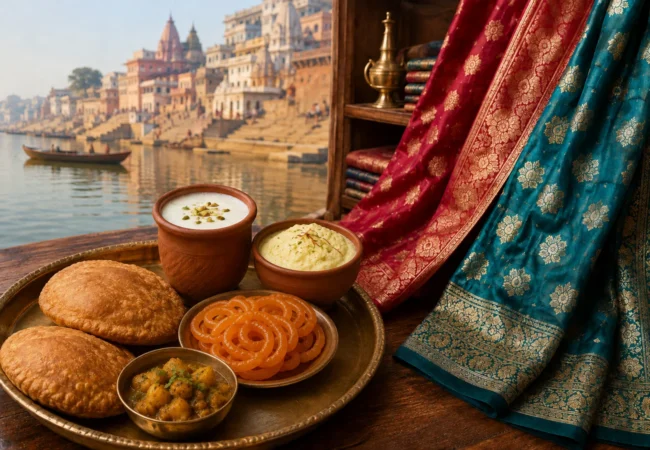
Varanasi is famous for kachori sabzi, tamatar chaat, thick lassi, seasonal malaiyyo and Banarasi paan. For shopping, Banarasi sarees, brassware, wooden handicrafts and religious souvenirs are among the city’s distinctive finds. Kachori Gali, Godowlia and Vishwanath Gali are useful places to combine food stops with an old-city walk.
This guide focuses on what to eat and buy, rather than trying to fit every stall into one outing. If you are still arranging your temples, ghats and travel days, begin with our complete Varanasi travel guide and leave some unhurried time for the lanes between the main sights. Travellers who want food and shopping time fitted around sightseeing can compare our Varanasi tour packages.
What Food Is Varanasi Famous For?
The city’s food scene is part of everyday life: breakfast stalls, small sweet shops and cups of lassi all have their place. The foods below include specialities highlighted in the official Varanasi destination guide. Availability and preparation vary, so ask what is fresh when you visit.
Kachori Sabzi: Start with a Local Breakfast
Crisp kachoris served with spiced vegetable curry make a satisfying start to a morning in Banaras. Kachori Gali is a natural place to look for this breakfast before continuing into the old city. Choose a modest portion if you also want to try sweets rather than treating every stop as a full meal.
Banarasi Lassi: A Creamy Break Between Walks
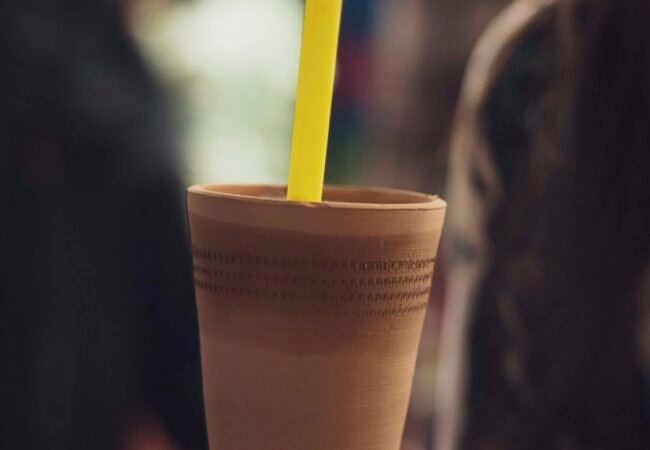
Lassi is a thick yoghurt-based drink, often served in an earthen cup. Toppings and sweetness differ between shops. Pahalwan Lassi is one of the stops named in Incredible India’s guide to Varanasi’s local food; check the current location before travelling specifically to a shop.
Malaiyyo and Chooda Matar: Seasonal Favourites
Malaiyyo is a light, foamy milk sweet associated with the cooler months. Chooda matar combines flattened rice, peas and spices and is another winter favourite. Do not assume either will be available year-round. Our guide to the best time to visit Varanasi helps you balance seasonal food interests with weather and festival crowds.
Rabri Jalebi: A Rich Sweet Stop
Hot, syrupy jalebi and creamy rabri are a rich combination. You can also order jalebi on its own. Ask what has just been prepared, and keep the portion small if you are tasting several foods in the same outing.
Tamatar Chaat: A Varanasi Street-Food Favourite
Tamatar chaat is a distinctive tomato-based snack to look for while exploring the city. Kashi Chaat Bhandar in Godowlia is mentioned in the tourism board’s Varanasi food and travel experiences. Ask about spice levels and ingredients before ordering.
Banarasi Paan: Know What You Are Ordering
Banarasi paan is a well-known part of the city’s food culture, but fillings vary. Ask exactly what is in it rather than assuming that a sweet preparation has no tobacco or areca nut. You can appreciate the tradition without trying every preparation.
Where to Explore Street Food in Varanasi
Kachori Gali
Kachori Gali is a practical starting point for a breakfast-focused walk. Combine it with your old-city plans rather than crossing Varanasi just for a single snack. If you are visiting Kashi Vishwanath Temple that day, leave enough time for walking and security arrangements instead of fixing a tight sequence of food stops.
Vishwanath Gali and Godowlia
These busy lanes bring together snacks, sweets, small shops and religious souvenirs. They work well for browsing, but crowds can slow you down. Choose one or two foods you particularly want to try and leave room to stop elsewhere if a queue is too long.
If your evening includes the riverfront, plan your meal around the Ganga Aarti timings and viewing arrangements. A leisurely food stop should not leave you rushing through crowded lanes to reach the ceremony.
The Lanes Behind the Ghats
Small eateries and drinks stalls can be worked into a riverside walk. Use our guide to Varanasi’s ghats to choose the area you want to explore. Around Manikarnika, be respectful of funeral processions and rituals; it is not a place to treat ceremonies as entertainment or photograph mourners.
What Should You Buy in Varanasi?
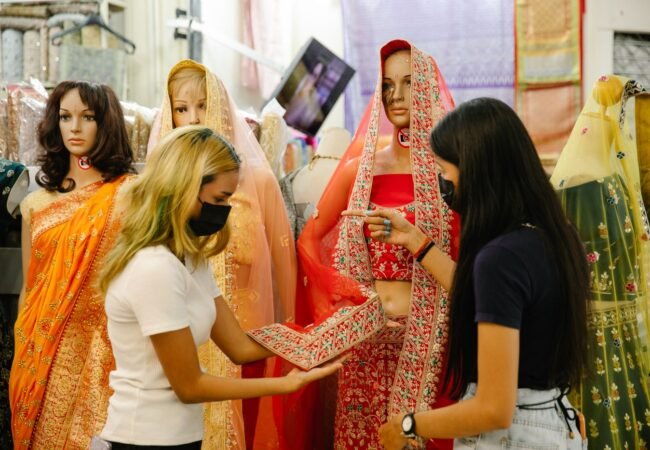
Banarasi sarees are a signature purchase, with fabric, weaving and zari work affecting both appearance and price. If a saree is not on your list, consider brass lamps, small idols, wooden toys and handicrafts, rudraksha malas, religious souvenirs or traditional attars. Choose according to your luggage space and the item’s practical use at home.
Take time over expensive purchases. Ask what the fabric is, how it was made and what the seller means by terms such as “silk,” “handloom” or “zari.” A detailed invoice is more useful than relying on a verbal claim alone.
Markets for Shopping in Varanasi
Godowlia Market
Godowlia offers textiles, souvenirs and local products alongside food stops. It is a useful area for comparing different shops before making a larger purchase. The government’s Varanasi shopping guide identifies it as a place to explore Banarasi sarees and traditional goods.
Vishwanath Gali
Vishwanath Gali is convenient for smaller souvenirs and religious items around a temple visit. Keep shopping bags manageable, and check temple restrictions before carrying purchases into a secured area.
Dal Mandi
Dal Mandi is another area to consider for textiles. Compare the fabric and workmanship across shops rather than assuming that a market name guarantees authenticity. Ask for the complete price before committing to a purchase.
Thatheri Bazaar
Thatheri Bazaar is associated with brass and copper products and traditional metalwork. It is worth considering if you want an alternative to textiles. Check the weight, finish and packing of lamps, utensils or decorative pieces before buying them for the journey home.
How to Choose a Banarasi Saree
There is no single reliable price for a Banarasi saree. Fabric composition, weaving method, zari material, design complexity and workmanship all matter. Instead of treating a broad online price range as a guarantee, compare items with the same specifications and ask the seller to put those details on the invoice.
- Ask about the fabric: clarify whether it is pure silk, a blend or another fibre.
- Ask how it was woven: do not infer handloom production from appearance alone.
- Check the workmanship: examine the borders, reverse, finish and any visible defects.
- Confirm the total: include taxes, finishing, alterations and delivery if relevant.
- Get a bill: retain the seller’s details and written exchange or return terms.
Fit Food and Shopping into Your Sightseeing
A manageable approach is breakfast in the old city, time for your main sightseeing, and a separate browsing window before or after the busiest part of the day. This is a suggested arrangement, not a fixed food-tour schedule. Our 2-day Varanasi itinerary for first-time visitors shows how to group temples and ghats without trying to cover everything.
For accommodation and sightseeing arranged together, compare our Varanasi tour packages. The 3-day Varanasi Ganga and Temple Tour is the closest city-focused match for this guide: its listed sights include Assi Ghat, Kashi Vishwanath, Manikarnika, Sankat Mochan and Ganga Aarti. Ask us to allow time for food stops and markets; tastings, shopping purchases and extra activities are not automatically included.
Share your travel dates, group size and food or shopping interests when you request a customized Varanasi itinerary, so the team can confirm a suitable route and written quotation.
Practical Food and Shopping Tips
- Start with a short list: choose a few foods and one or two markets rather than overpacking the day.
- Check freshness and ingredients: ask how dairy dishes are stored and whether a preparation contains ingredients you avoid.
- Confirm prices first: check serving size and the total before ordering or buying.
- Keep belongings secure: crowded lanes need extra care with phones, wallets and bags.
- Allow for walking: do not expect a vehicle to reach every shop or food stall.
- Check current shop details: opening hours, locations and menus can change; no shop mentioned here is a guaranteed tour inclusion.
Frequently Asked Questions
What street food is Varanasi famous for?
Varanasi is known for kachori sabzi, tamatar chaat, Banarasi lassi, malaiyyo, chooda matar, rabri jalebi and Banarasi paan. Some preparations are seasonal, so check availability locally.
Where should first-time visitors explore food in Varanasi?
Kachori Gali, Vishwanath Gali and Godowlia are practical areas for food stops alongside old-city sightseeing. Choose a few nearby stops and allow time for walking and queues.
Is malaiyyo available throughout the year?
Malaiyyo is traditionally associated with the cooler months. Do not assume it will be available year-round; check with local vendors during your visit.
What can you buy in Varanasi besides sarees?
Brass lamps and idols, wooden toys and handicrafts, religious souvenirs, rudraksha malas and traditional attars are other items to consider. Check quality, packing and price before buying.
How much does a Banarasi saree cost?
There is no single fixed price. The fabric, weaving method, zari material, design and workmanship affect the cost. Compare similar pieces and ask for the specifications and total price in writing.
Can food and shopping stops be added to a Varanasi tour?
You can request time for food and shopping when planning your itinerary with Trip Holidays Planner. Tastings, purchases and extra activities are not automatically included; confirm any additional arrangements in the quotation.