

- 208 Views
- 23 Min Read
- (0) Comment
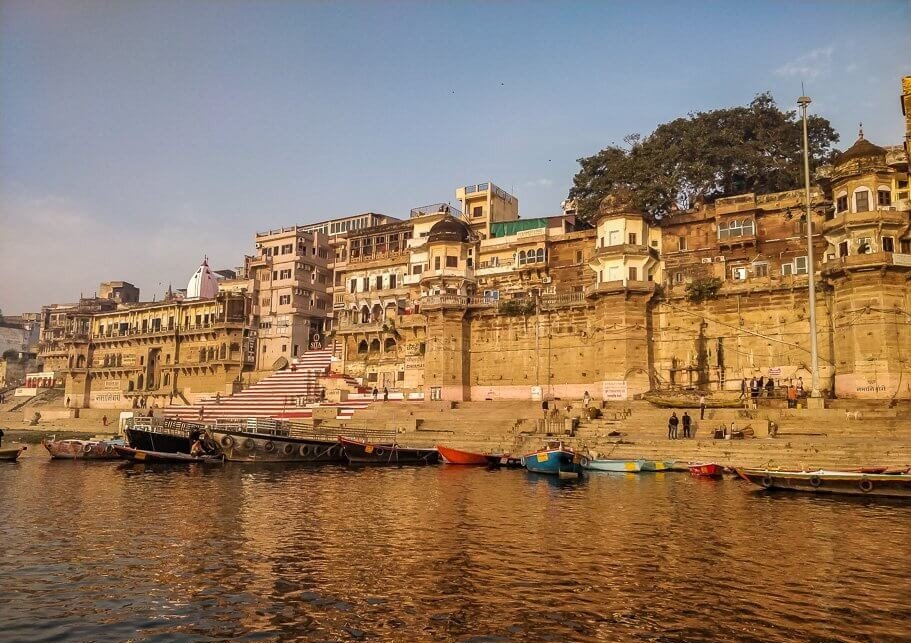
There are cities you visit once, and there are cities that quietly become a part of you. Varanasi belongs to the second kind. Long before the first rays of sunlight touch the waters of the Ganga, temple bells begin to echo through ancient lanes, priests prepare for morning rituals, boatmen untie their wooden boats, and devotees gather at the ghats with folded hands. As the city wakes, life unfolds in a rhythm that has remained remarkably unchanged for centuries.
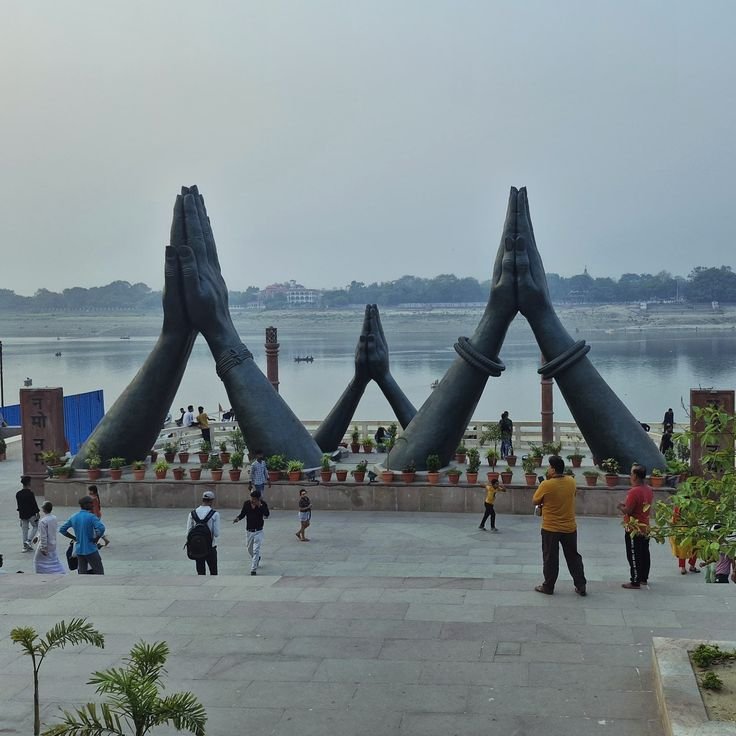
Known as Kashi and Banaras, Varanasi is one of the oldest continuously inhabited cities in the world and one of India’s most important spiritual destinations. Pilgrims travel thousands of kilometres to seek blessings at Kashi Vishwanath Temple. History enthusiasts come to witness centuries of architecture, culture, and traditions. Food lovers lose themselves in narrow streets filled with the aroma of freshly prepared kachoris, creamy lassi, and traditional sweets. Photographers wait patiently for sunrise over the Ganga, while travellers searching for authentic experiences find themselves returning again and again.
Planning a trip here can feel overwhelming. The city has hundreds of temples, more than eighty ghats, vibrant markets, hidden alleys, museums, spiritual ceremonies, nearby pilgrimage sites, and countless local experiences. Deciding where to begin often becomes the biggest challenge, especially for first-time visitors.
This guide brings everything together in one place. Instead of presenting a simple collection of attractions, it follows the way travellers naturally explore Varanasi. You’ll discover the city’s most famous temples, the ghats that deserve your time, the magic of the Ganga Aarti, the best season to visit, practical itineraries, famous food, shopping streets, nearby destinations, and helpful planning advice gathered from local experience. By the time you finish reading, you’ll have a clear understanding of how to experience Varanasi at your own pace while making the most of every day.
Whether you’re planning a family holiday, a spiritual pilgrimage, a cultural getaway, or a photography trip, this guide will help you build a memorable journey through one of India’s most extraordinary cities.
Explore Varanasi Based on What You’re Looking For
Every traveller arrives in Varanasi with a different purpose. Some begin their journey with a visit to Kashi Vishwanath Temple, while others dream of watching the Ganga Aarti from a boat as the evening sky turns golden. Many come to understand the city’s spiritual legacy, while others are drawn by its food, bustling markets, photography opportunities, or centuries-old traditions. Whatever brings you here, Varanasi has a way of revealing something unexpected around every corner.
Instead of trying to see everything at once, it helps to explore the city based on your interests. The sections below are designed to answer the questions most travellers have before they visit. You can start with the topic that matters most to you or read the guide from beginning to end to build a complete itinerary.
If you’d rather skip the planning altogether, browse our Varanasi tour packages and let our local team handle it for you.
Famous Temples in Varanasi
For many travellers, the journey through Varanasi begins with a temple visit. Before the sun rises over the Ganga, long queues start forming outside ancient shrines as devotees wait patiently for darshan. The fragrance of incense fills the air, bells echo through narrow lanes, and chants of “Har Har Mahadev” become part of the city’s morning soundtrack. Every temple has its own story, traditions, and significance, making a visit to Varanasi as much a spiritual experience as a cultural one.
Although the city is believed to have more than two thousand temples, a handful stand at the heart of its religious identity. Visiting these temples offers a deeper understanding of why Varanasi has remained one of the world’s most revered pilgrimage destinations for centuries. If you’re visiting for the first time, these five temples deserve a place on your itinerary.
For a focused first-trip route, read our guide to the famous temples in Varanasi.
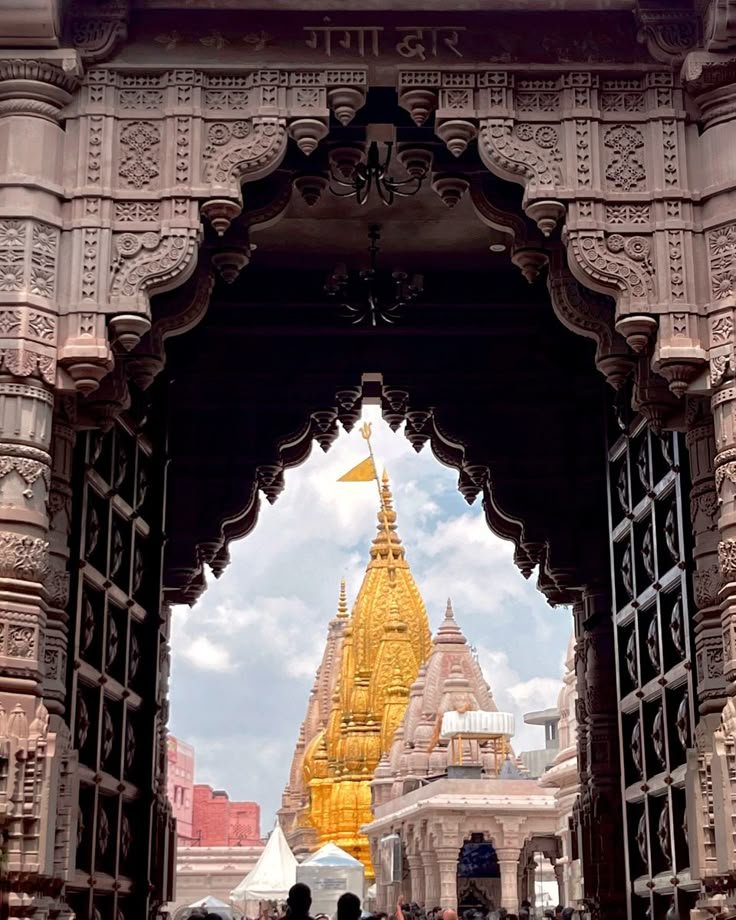
1. Kashi Vishwanath Temple
Every road in Varanasi seems to lead towards Kashi Vishwanath Temple. Dedicated to Lord Shiva, this sacred shrine houses one of the twelve Jyotirlingas and is considered the spiritual centre of Kashi. For millions of devotees, visiting this temple is the primary reason for travelling to Varanasi.
The temple has witnessed centuries of history, destruction, and reconstruction before taking its present form under Maharani Ahilyabai Holkar in 1780. Today, the magnificent Kashi Vishwanath Corridor connects the temple directly to the ghats, creating a spacious pathway that has transformed the pilgrimage experience while preserving the area’s spiritual character. You can check current darshan timings on the official Shri Kashi Vishwanath Temple website before you go.
The atmosphere changes throughout the day. Early mornings are peaceful, allowing visitors to experience the temple before large crowds arrive. During festivals such as Mahashivratri and the holy month of Shravan, thousands of devotees gather here, creating an unforgettable spiritual ambience filled with devotional chants and traditional rituals. For full timings, darshan planning and Mangala Aarti booking details, see our complete Kashi Vishwanath Temple guide.
2. Sankat Mochan Hanuman Temple
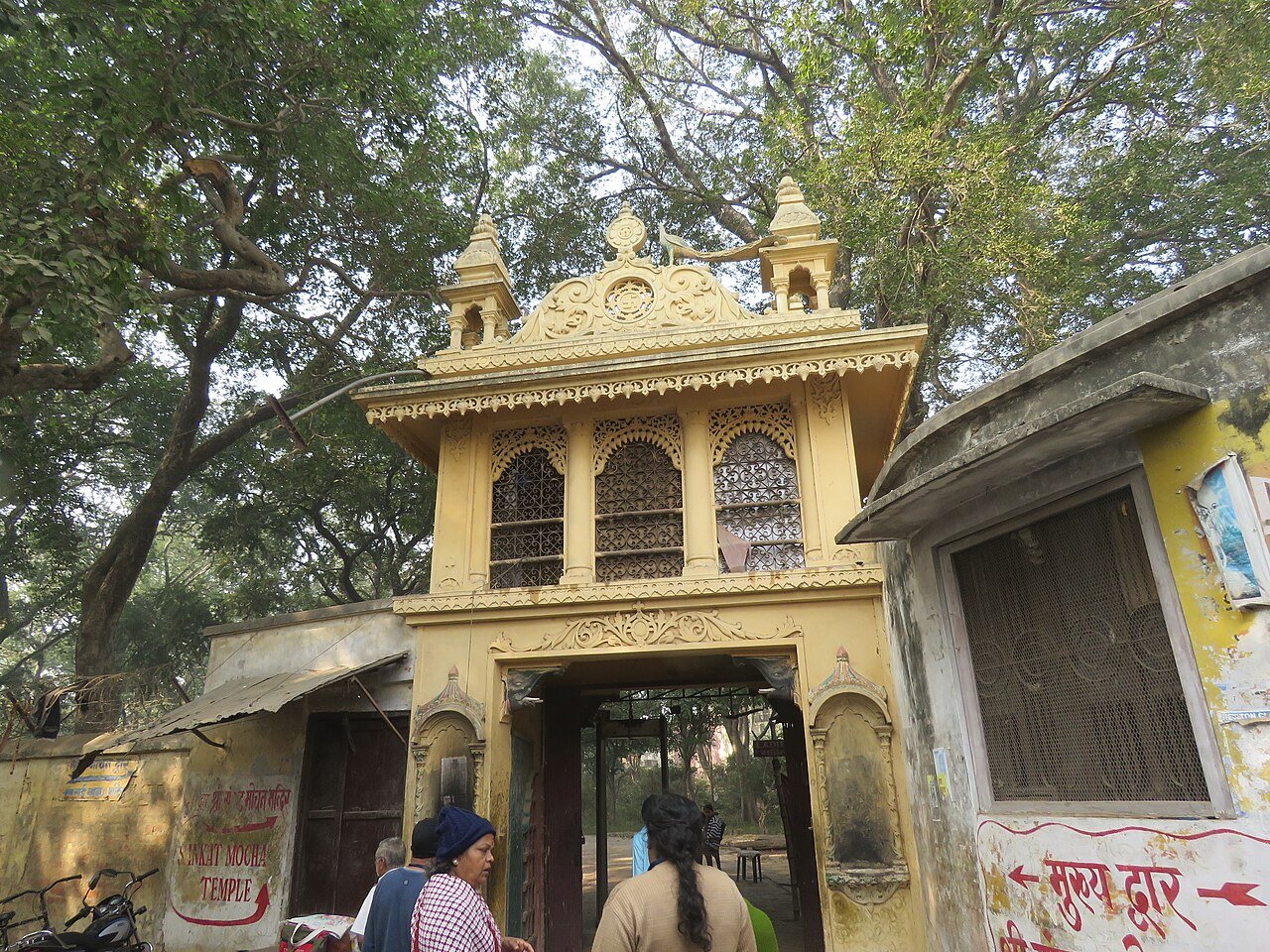
A short drive from the old city takes you to one of Varanasi’s most beloved temples. Sankat Mochan Hanuman Temple was established by the renowned saint and poet Goswami Tulsidas, whose connection with Lord Hanuman remains deeply woven into the temple’s history. The name “Sankat Mochan” means “the remover of difficulties,” and devotees visit the temple seeking strength, protection, and blessings during challenging phases of life. Tuesdays and Saturdays attract the largest crowds, as these days are considered especially auspicious for Hanuman worship.
3. Kal Bhairav Temple
Ask any local priest about the most important temples in Varanasi, and one name will always find its way into the conversation: Kal Bhairav Temple. Lord Kal Bhairav is regarded as the guardian deity of Kashi, often referred to as the “Kotwal of Kashi” or the city’s divine protector. Local tradition believes that every pilgrimage to Varanasi remains incomplete without seeking his blessings after visiting Kashi Vishwanath.
Dating back to the seventeenth century, the temple has a distinct identity that sets it apart from others in the city. The silver-faced idol of Kal Bhairav, accompanied by his sacred vehicle, the dog, creates a powerful presence inside the sanctum. During aarti, the sounds of damru and traditional drums replace the quieter rituals commonly witnessed in many other temples, giving the ceremony a unique energy.
4. Durga Temple
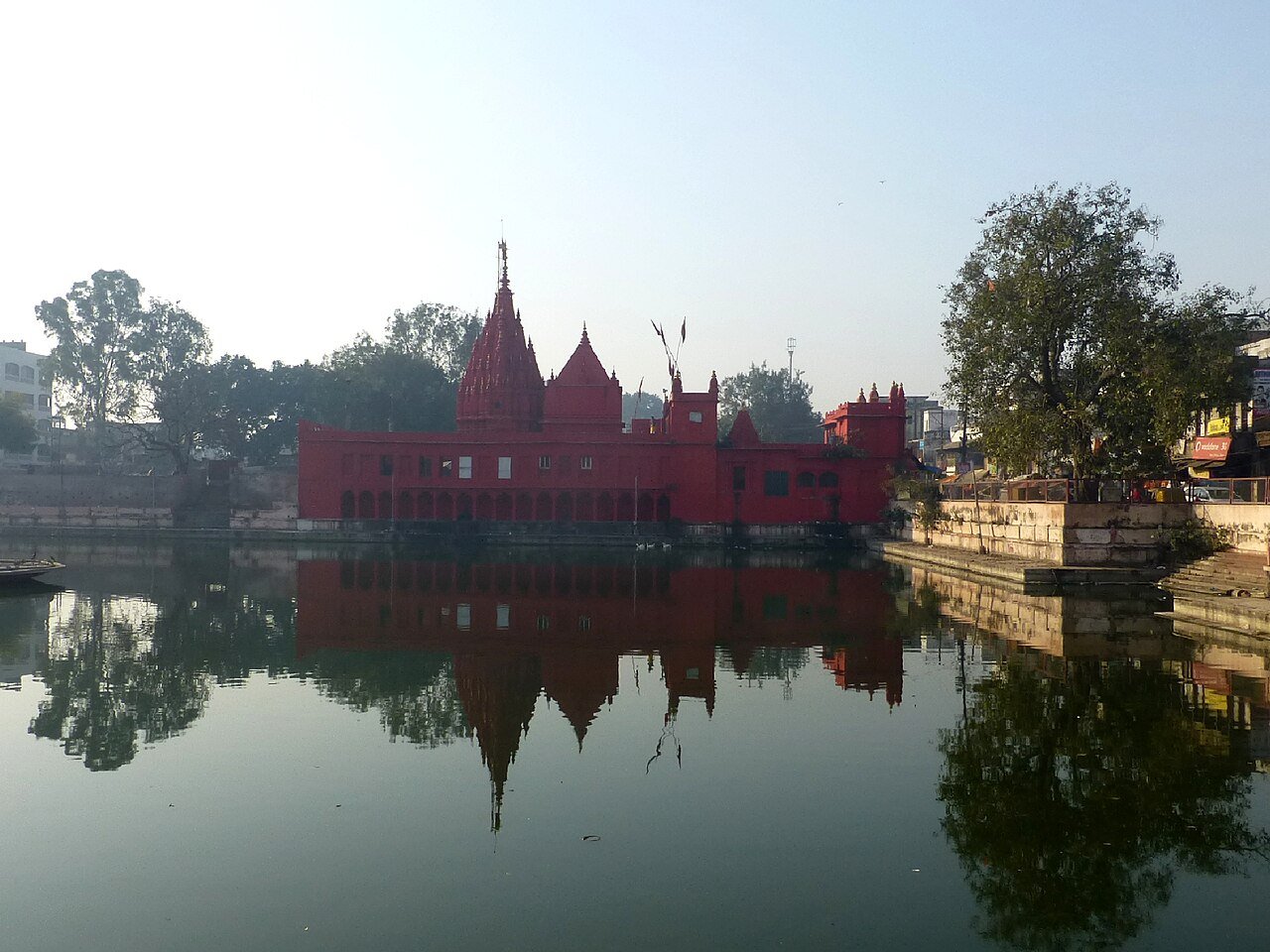
Standing beside the sacred Durga Kund, the striking red structure of Durga Temple immediately captures attention. Built in the traditional Nagara style of North Indian temple architecture, it is one of the oldest and most recognisable temples in Varanasi.
According to local belief, the idol of Goddess Durga was not installed by human hands but appeared on its own, making the temple especially sacred for devotees. The surrounding pond adds to the peaceful setting, while the temple complex becomes vibrant during Navratri, when elaborate decorations, devotional music, and special rituals attract pilgrims from across the country.
5. Annapurna Temple
Only a few minutes from Kashi Vishwanath Temple stands Annapurna Temple, dedicated to Goddess Annapurna, the deity associated with nourishment and prosperity. Although smaller in size, the temple holds immense religious significance.
According to Hindu tradition, devotees visit Annapurna Temple after seeking blessings at Kashi Vishwanath. The belief is that Goddess Annapurna blesses her devotees with abundance and ensures that no one who worships her sincerely suffers from hunger.
Planning Your Temple Visit
Exploring Varanasi’s temples becomes much more rewarding with a little planning. Starting early in the morning allows you to avoid heavy crowds, especially at Kashi Vishwanath Temple. Comfortable clothing, modest attire, and footwear that can be easily removed are practical choices, as visitors will enter several temple complexes throughout the day.
Many travellers prefer combining Kashi Vishwanath, Annapurna Temple, and Kal Bhairav Temple in one circuit because of their proximity. Sankat Mochan and Durga Temple can then be visited together later in the day, allowing enough time to reach Dashashwamedh Ghat before sunset for the evening Ganga Aarti.
Best Ghats in Varanasi
If the temples represent the spiritual heart of Varanasi, the ghats are where the city reveals its soul. Every day begins and ends on these broad stone steps that descend gently into the Ganga. Before sunrise, pilgrims gather for a holy dip, priests perform ancient rituals, yoga enthusiasts welcome the first light of day, and boatmen prepare for another morning on the river. By evening, the same ghats transform into vibrant gathering places filled with devotional music, flickering lamps, conversations, and the timeless rhythm of life along the sacred river.
Stretching for nearly seven kilometres, Varanasi’s riverfront is home to more than eighty ghats, each carrying its own history, legends, and traditions. Some are known for grand ceremonies, some for meditation and learning, while others hold immense religious significance for Hindus seeking liberation. Exploring every ghat would take days, but a first visit becomes far more meaningful when you understand the stories behind the city’s most important ones.
For a closer look at each one and how to fit them into your day, read our guide to the ghats of Varanasi.
1. Dashashwamedh Ghat
The moment most people picture Varanasi, they are usually imagining Dashashwamedh Ghat. Located close to Kashi Vishwanath Temple, it is the busiest, most energetic, and most visited ghat in the city. From dawn until late at night, there is never a moment when the steps are empty.
According to Hindu mythology, Lord Brahma performed the Dashashwamedha Yajna here to welcome Lord Shiva to Kashi. Over the centuries, the ghat has become the centre of religious life in Varanasi and remains the focal point for thousands of pilgrims and visitors every day.
The atmosphere changes dramatically as the day progresses. Early mornings are peaceful, with devotees taking ritual baths while photographers capture the soft golden light reflecting on the Ganga. By afternoon, the surrounding lanes become crowded with pilgrims, flower sellers, and local guides. As sunset approaches, people begin arriving hours in advance to secure a good place for the famous Ganga Aarti.
2. Assi Ghat
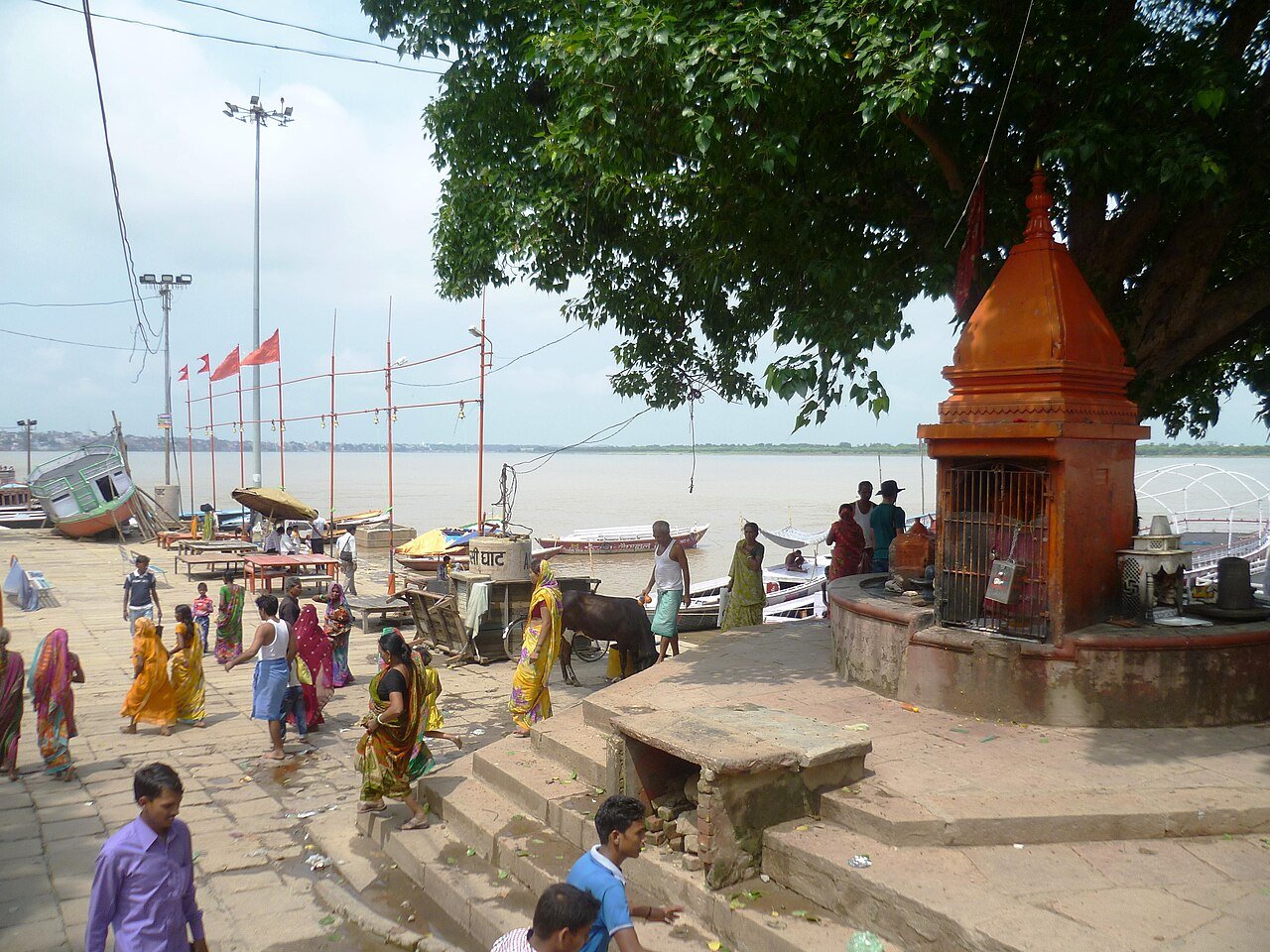
A few kilometres south of Dashashwamedh lies Assi Ghat, a place that feels noticeably different despite sharing the same riverfront. While Dashashwamedh is known for its constant activity, Assi welcomes visitors with a calmer and more relaxed atmosphere.
The ghat marks the traditional meeting point of the Assi River and the Ganga, giving it religious significance as well as historical importance. Its proximity to Banaras Hindu University has also made it a favourite gathering place for students, artists, researchers, and travellers who enjoy spending quiet mornings by the river.
One of the highlights of Assi Ghat is the daily Subah-e-Banaras programme. As the city slowly wakes, visitors can witness Vedic chanting, devotional music, yoga sessions, and the morning Aarti. The experience feels intimate and peaceful, offering a completely different perspective from the grandeur of the evening ceremony at Dashashwamedh.
3. Manikarnika Ghat

Every city has a place that leaves a lasting impression. In Varanasi, that place is Manikarnika Ghat. Known as the principal cremation ghat of Kashi, Manikarnika represents one of the deepest spiritual beliefs in Hinduism. It is believed that those cremated here attain moksha, freeing the soul from the cycle of birth and rebirth. This belief has drawn families to the ghat for centuries, making it one of the oldest continuously active cremation sites in the world.
For many first-time visitors, the experience can feel emotional and deeply reflective. Funeral pyres burn throughout the day and night, reminding everyone of life’s impermanence and the spiritual philosophy that has shaped Varanasi for thousands of years.
4. Panchganga Ghat
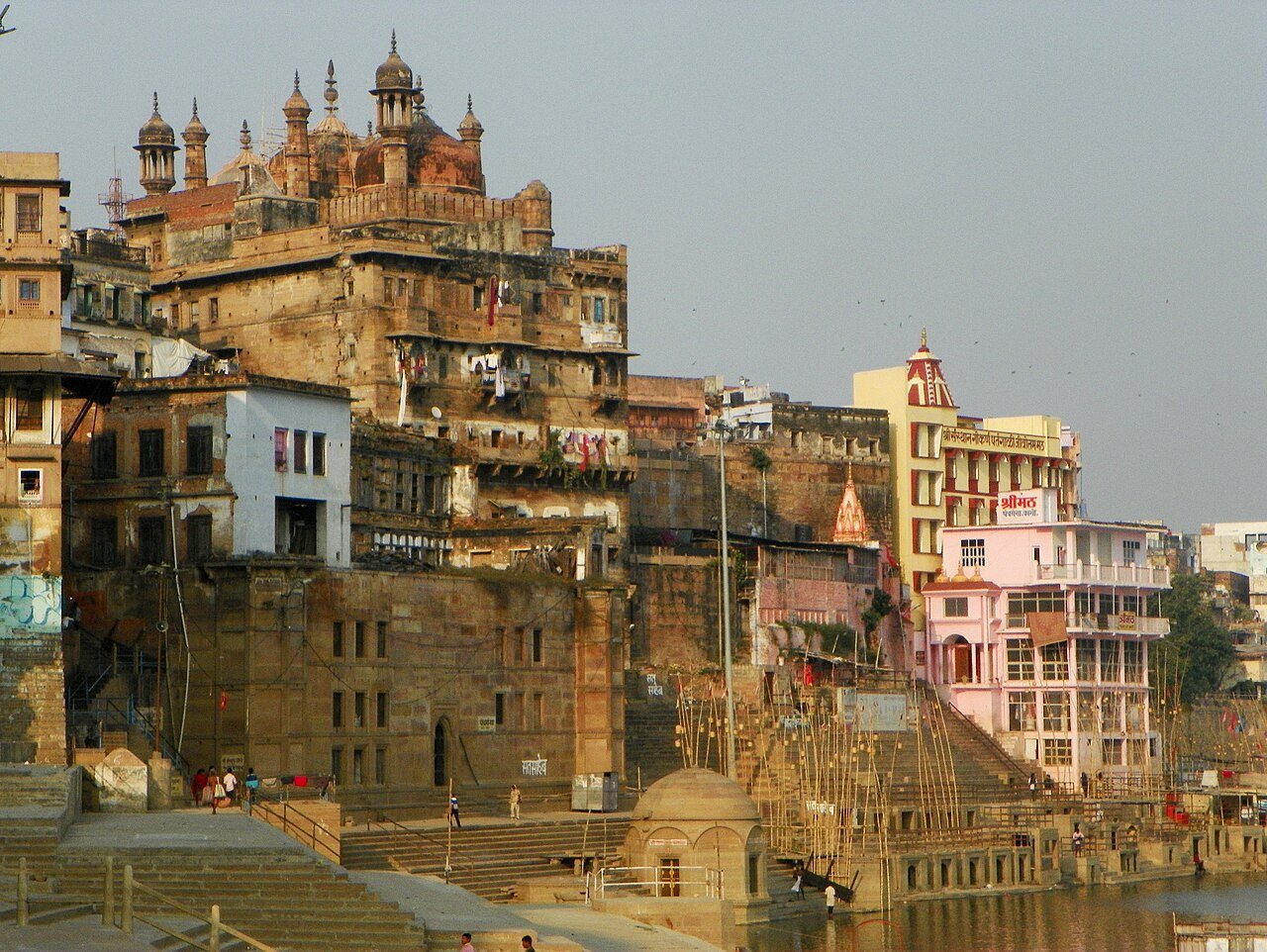
Far less crowded than the city’s famous southern ghats, Panchganga Ghat offers a slower pace and an atmosphere that encourages quiet reflection. According to tradition, this is where five sacred rivers are believed to meet, giving the ghat its name and religious significance.
The area is closely associated with saints, scholars, and spiritual teachers. Sant Kabir is believed to have received spiritual guidance here from his guru, Swami Ramananda, making the ghat an important place in the history of the Bhakti movement. The nearby Alamgir Mosque and the samadhi of the yogi Trailinga Swami add further layers to the area’s historical and cultural importance.
Boat Rides Along the Ghats
Walking the ghats introduces you to the city from street level, but seeing them from the water offers an entirely different perspective. As your boat glides gently across the Ganga, the long stretch of temples, palaces, shrines, and stone steps unfolds like an open-air museum.
A sunrise boat ride is widely regarded as one of the finest experiences in Varanasi. The soft morning light, temple bells echoing across the river, priests performing rituals, and pilgrims taking holy dips create a scene that feels both timeless and deeply personal. Evening boat rides are equally memorable, especially during the Ganga Aarti, when thousands of lamps illuminate the river and devotional chants fill the air.
Which Ghat Should You Visit?
If your schedule allows only one visit, Dashashwamedh Ghat offers the complete Varanasi experience, combining history, spirituality, and the famous evening Aarti.
Travellers seeking a quieter atmosphere often prefer Assi Ghat, particularly during sunrise and the Subah-e-Banaras programme.
Those interested in understanding the city’s spiritual philosophy should visit Manikarnika Ghat with respect and sensitivity.
Visitors who enjoy history, architecture, and peaceful surroundings will appreciate Panchganga Ghat and the stories hidden within its ancient stone steps.
Together, these four ghats provide a meaningful introduction to Varanasi’s riverfront. Each one reveals a different chapter in the city’s story, helping visitors understand why the Ganga remains at the centre of life in Kashi. As daylight fades and lamps begin to glow along the river, the ghats prepare for the ceremony that has become synonymous with Varanasi itself.
Ganga Aarti and Spiritual Experiences in Varanasi
Every city has an experience that stays in your memory long after the journey ends. In Varanasi, that experience is the Ganga Aarti. As the sun slowly disappears beyond the horizon, the riverfront begins to transform. Priests arrange large brass lamps on elevated platforms, devotees gather with flowers and diyas in their hands, and the sound of conch shells echoes across the Ganga. The excitement builds quietly until the first chants fill the evening air, signalling the beginning of one of India’s most celebrated spiritual ceremonies.
For many travellers, attending the Ganga Aarti is the highlight of their visit to Varanasi. Yet the city’s spiritual experiences extend far beyond this daily ritual. From peaceful morning ceremonies and sunrise boat rides to Dev Deepawali celebrations, Varanasi offers countless moments that leave visitors feeling connected to something far older than themselves. For exact timings, the best viewing spots and tips for Dev Deepawali, see our complete Ganga Aarti guide.
Evening Ganga Aarti at Dashashwamedh Ghat
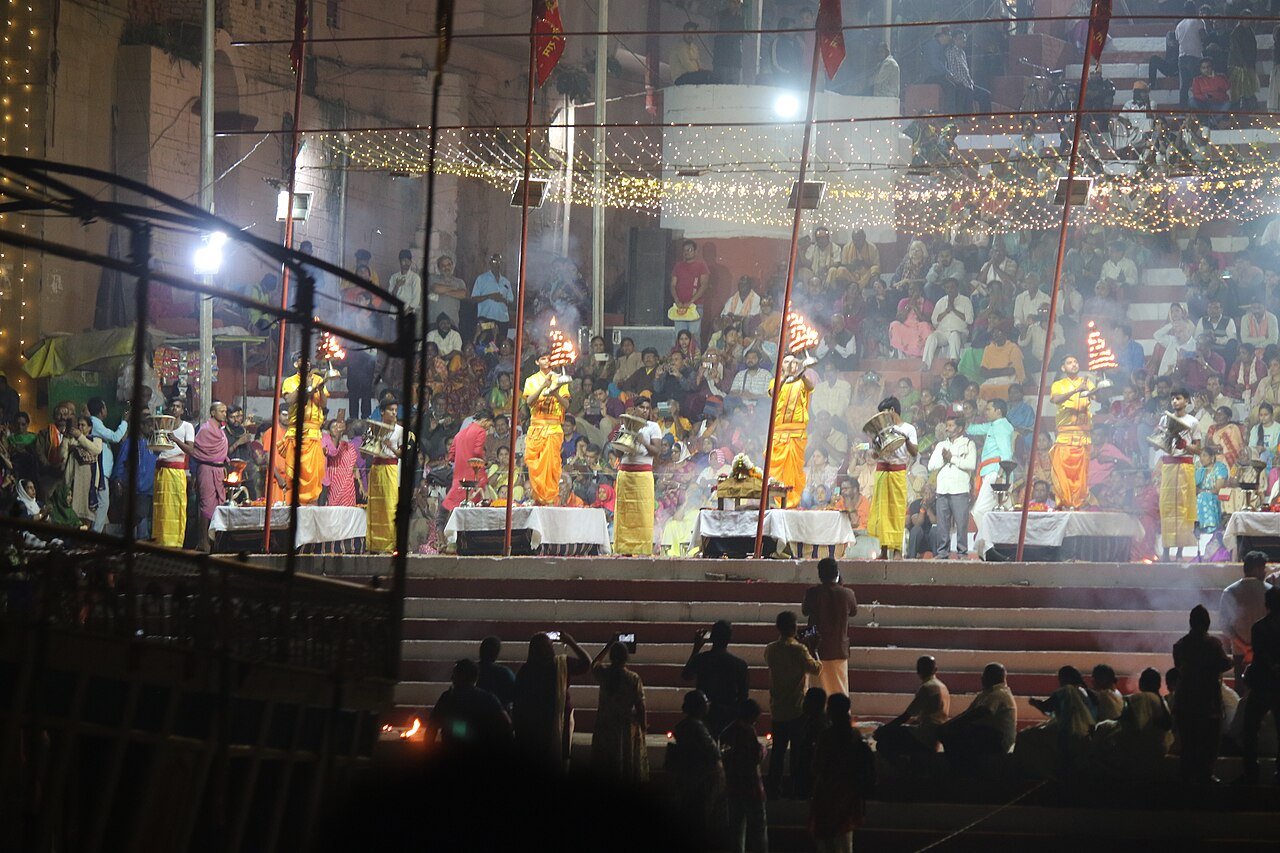
The evening Ganga Aarti at Dashashwamedh Ghat is a carefully choreographed ritual performed every day without interruption. Seven priests dressed in traditional attire stand on raised platforms facing the river, offering fire, incense, flowers, and prayers to Goddess Ganga while devotional hymns and Vedic chants resonate through the surroundings.
The Best Ways to Watch the Ganga Aarti
One of the first questions travellers ask is whether they should watch the ceremony from the ghat or from a boat. Both experiences are memorable, but each offers a different perspective. Watching from the ghat places you close to the priests and allows you to experience the energy of the crowd. You hear every chant clearly, witness every ritual from nearby, and become part of the gathering itself. The atmosphere feels vibrant and immersive, especially during weekends and festivals.
Morning Aarti at Assi Ghat
While the evening ceremony receives global attention, many locals quietly recommend another experience that feels equally special. Before sunrise, Assi Ghat hosts Subah-e-Banaras, a beautiful morning programme that combines Vedic chanting, devotional music, yoga, meditation, and a peaceful Ganga Aarti. The atmosphere here is completely different from the lively evening gathering at Dashashwamedh.
Sunrise Boat Ride on the Ganga
If there is one activity that every first-time visitor should include in their itinerary, it is a sunrise boat ride. The experience begins before dawn, when the city still feels half asleep. As your boat gently moves across the calm waters of the Ganga, the eastern sky slowly changes colour. Gradually, the temples, palaces, shrines, and stone ghats emerge from the morning mist while priests perform their first rituals and pilgrims step into the sacred river for a holy bath.
Dev Deepawali: When the Ghats Shine with Thousands of Lamps
If your visit coincides with Dev Deepawali, you will witness Varanasi at its most spectacular. Celebrated on Kartik Purnima, usually during October or November, Dev Deepawali transforms the city’s entire riverfront into a breathtaking display of light. Hundreds of thousands of earthen lamps illuminate every ghat, creating an extraordinary scene that draws visitors from across India and around the world.
Tips for a Comfortable Ganga Aarti Experience
A little preparation can make your visit far more enjoyable. Arriving early gives you better viewing options and avoids the last-minute rush through the crowded lanes leading to Dashashwamedh Ghat. Comfortable footwear is recommended because you may need to walk through narrow streets before reaching the riverfront.
Carry drinking water, especially during warmer months, and keep your belongings secure in crowded areas. Visitors choosing a boat ride should confirm boarding locations and timings beforehand, particularly during festivals when demand is high.
Best Time to Visit Varanasi
The experience of Varanasi changes with the seasons. The city never loses its spiritual charm, but the weather, festivals, riverfront activities, and crowds create a different atmosphere throughout the year. A winter morning wrapped in mist feels entirely different from a summer sunrise over the Ganga, while festival days fill the streets with a level of energy that transforms the entire city. For a full month-by-month breakdown, see our guide to the best time to visit Varanasi.
October to March: The Best Time to Visit
Winter is the most comfortable season to explore Varanasi. Pleasant weather makes it easy to walk through the old city, visit temples, enjoy boat rides, and spend hours along the ghats.
Average temperature: 15°C to 28°C
Why visit during winter?
- Comfortable weather for sightseeing
- Ideal for Ganga Aarti and sunrise boat rides
- Perfect for temple visits and walking tours
- Best season for photography
April to June: Summer Season
Summer brings high temperatures, often crossing 40°C during the afternoon. Sightseeing becomes tiring, especially in the narrow lanes around the old city.
If you’re travelling during this season:
- Visit temples early in the morning.
- Plan boat rides around sunrise or sunset.
- Stay hydrated throughout the day.
- Avoid long walks in the afternoon.
July to September: Monsoon Season
Rain gives the city a fresh look, but heavy showers can affect sightseeing plans. Water levels in the Ganga also rise, which may influence boat ride operations.
Monsoon is suitable for travellers who:
- Prefer fewer crowds.
- Enjoy peaceful surroundings.
- Don’t mind occasional rainfall.
Festivals That Make Varanasi Special
Planning your trip around a festival offers a completely different experience. You can check the exact dates for the year on the UP Tourism website closer to your travel dates.
- Dev Deepawali – The ghats glow with thousands of earthen lamps, creating one of the most spectacular sights in India.
- Mahashivratri – One of the biggest celebrations at Kashi Vishwanath Temple, attracting devotees from across the country.
- Navratri – Durga Temple becomes the centre of elaborate rituals, decorations, and devotional celebrations.
- Makar Sankranti – Pilgrims gather on the ghats for holy bathing rituals, making the riverfront especially vibrant.
Quick recommendation: If you’re visiting Varanasi for the first time, plan your trip between October and March. The pleasant weather, festive atmosphere, and comfortable sightseeing conditions make it the ideal season to experience everything the city has to offer.
Varanasi Travel Itinerary
One of the biggest questions travellers have before visiting Varanasi is, “How many days are enough?” The answer depends on the kind of experience you’re looking for. A short trip covers the city’s highlights, while a few extra days allow you to explore nearby destinations and experience Varanasi at a relaxed pace.
2-Day Varanasi Itinerary
A two-day trip is perfect for first-time visitors who want to experience the city’s major attractions.
Day 1
- Arrive and check in to your hotel.
- Visit Kashi Vishwanath Temple.
- Seek blessings at Annapurna Temple and Kal Bhairav Temple.
- Explore Dashashwamedh Ghat.
- Attend the evening Ganga Aarti.
Day 2
- Enjoy a sunrise boat ride on the Ganga.
- Visit Assi Ghat and Sankat Mochan Temple.
- Explore Durga Temple.
- Spend your evening shopping at Godowlia and Vishwanath Gali before departure.
3-Day Varanasi Itinerary
Three days give you enough time to explore the city without rushing.
Day 1: Kashi Vishwanath Temple, Annapurna Temple, Kal Bhairav Temple, evening Ganga Aarti.
Day 2: Sunrise boat ride, Assi Ghat, Sankat Mochan Temple, Durga Temple, street food walk and local shopping.
Day 3: Visit Sarnath, explore museums and archaeological sites, return to Varanasi for shopping or a relaxing evening by the ghats.
4 to 5-Day Spiritual Circuit
If you have a few extra days, consider extending your journey beyond Varanasi. Popular combinations include Varanasi + Ayodhya, Varanasi + Prayagraj, Varanasi + Vindhyachal, and Varanasi + Ayodhya + Prayagraj. These routes are popular among pilgrims and families looking for a complete spiritual tour of Uttar Pradesh.
If this sounds like the kind of trip you’re planning, our Ayodhya – Prayagraj – Varanasi Spiritual Tour covers exactly this circuit, and our Kashi – Bodhgaya – Prayagraj – Ayodhya Spiritual Tour is a good option if you’d like to extend the journey further.
Estimated Trip Budget
| Travel Style | Approximate Cost (Per Person) |
|---|---|
| Budget | ₹8,000 to ₹10,000 |
| Mid-range | ₹12,000 to ₹20,000 |
| Luxury | ₹20,000 onwards |
Getting Around Varanasi
The old city is best explored on foot. Many temples, ghats, and markets are located close to one another, making walking the easiest way to experience the city’s atmosphere.
For longer distances, you can choose auto-rickshaws, e-rickshaws, cycle rickshaws, app-based taxis, or a private cab for full-day sightseeing. For destinations such as Sarnath, Vindhyachal, or Ayodhya, hiring a private vehicle is the most comfortable option. If you’d rather not arrange this yourself, our team can handle hotels, private transport, and sightseeing for you — just get in touch with our travel experts.
Travel tip: Avoid trying to cover every attraction in one day. Varanasi is a city best experienced at a leisurely pace. Spend time sitting by the ghats, exploring hidden lanes, interacting with locals, and enjoying the city’s unique rhythm. Those unplanned moments often become the most memorable part of the journey.
Local Food and Shopping in Varanasi
A visit to Varanasi feels incomplete without exploring its food and markets. Every narrow lane carries the aroma of freshly prepared snacks, traditional sweets, and age-old recipes that have been passed down through generations. The city’s markets are equally fascinating, offering everything from world-famous Banarasi silk sarees to handcrafted souvenirs that reflect its rich cultural heritage.
Must-Try Street Food in Varanasi
Food in Varanasi is simple, flavourful, and deeply connected to the city’s traditions. Whether you start your morning with a hearty breakfast or end your evening with a famous Banarasi paan, every meal becomes part of the travel experience. Don’t miss these local favourites:
- Kachori Sabzi at Kachori Gali
- Blue Lassi served in traditional clay cups
- Malaiyyo, a seasonal winter delicacy
- Rabri Jalebi
- Tamatar Chaat
- Chooda Matar during winter
- Banarasi Paan
If you enjoy food walks, the lanes around Vishwanath Gali and Godowlia offer some of the city’s oldest and most popular eateries.
Best Markets in Varanasi
Shopping in Varanasi is about discovering local craftsmanship as much as buying souvenirs. The city’s traditional markets are filled with colourful fabrics, religious items, brassware, wooden handicrafts, and handmade products.
- Godowlia Market – A bustling marketplace known for clothing, handicrafts, souvenirs, and local snacks.
- Vishwanath Gali – One of the oldest shopping streets in Varanasi, famous for silk sarees, puja items, rudraksha malas, and traditional sweets.
- Dal Mandi – A popular destination for authentic Banarasi silk sarees and textiles.
- Thatheri Bazaar – Known for brass utensils, decorative items, and handcrafted metal products made by local artisans.
Experience Varanasi Beyond Sightseeing
Some of the city’s most memorable moments happen away from the famous landmarks. Sharing breakfast at a decades-old shop, chatting with a silk weaver, watching artisans create intricate designs, or enjoying a glass of lassi while overlooking the bustling streets offers a glimpse into everyday life in Banaras. These experiences add warmth and authenticity to your journey, making your visit feel personal rather than hurried.
Places Near Varanasi
Once you’ve explored the temples, ghats, and vibrant streets of Varanasi, you can easily extend your journey to some of North India’s most significant spiritual and historical destinations. Whether you’re planning a day trip or a longer pilgrimage, several places are within comfortable driving distance — you’ll find more on our Uttar Pradesh destination guide.
Sarnath
Just 10 to 13 km from Varanasi, Sarnath is one of Buddhism’s holiest sites. This is where Lord Buddha delivered his first sermon after attaining enlightenment. The Dhamek Stupa, archaeological ruins, and peaceful surroundings make it an ideal half-day excursion.
Vindhyachal
Located around 62 km away, Vindhyachal is home to the famous Vindhyavasini Devi Temple, one of the revered Shakti Peethas. It is a popular destination for devotees looking to combine Varanasi with another important pilgrimage.
Prayagraj
Around 125 km from Varanasi, Prayagraj is known for the sacred Triveni Sangam, where the Ganga, Yamuna, and the mythical Saraswati rivers meet. The city is also home to several historic and religious landmarks, making it a popular addition to spiritual tours.
Ayodhya
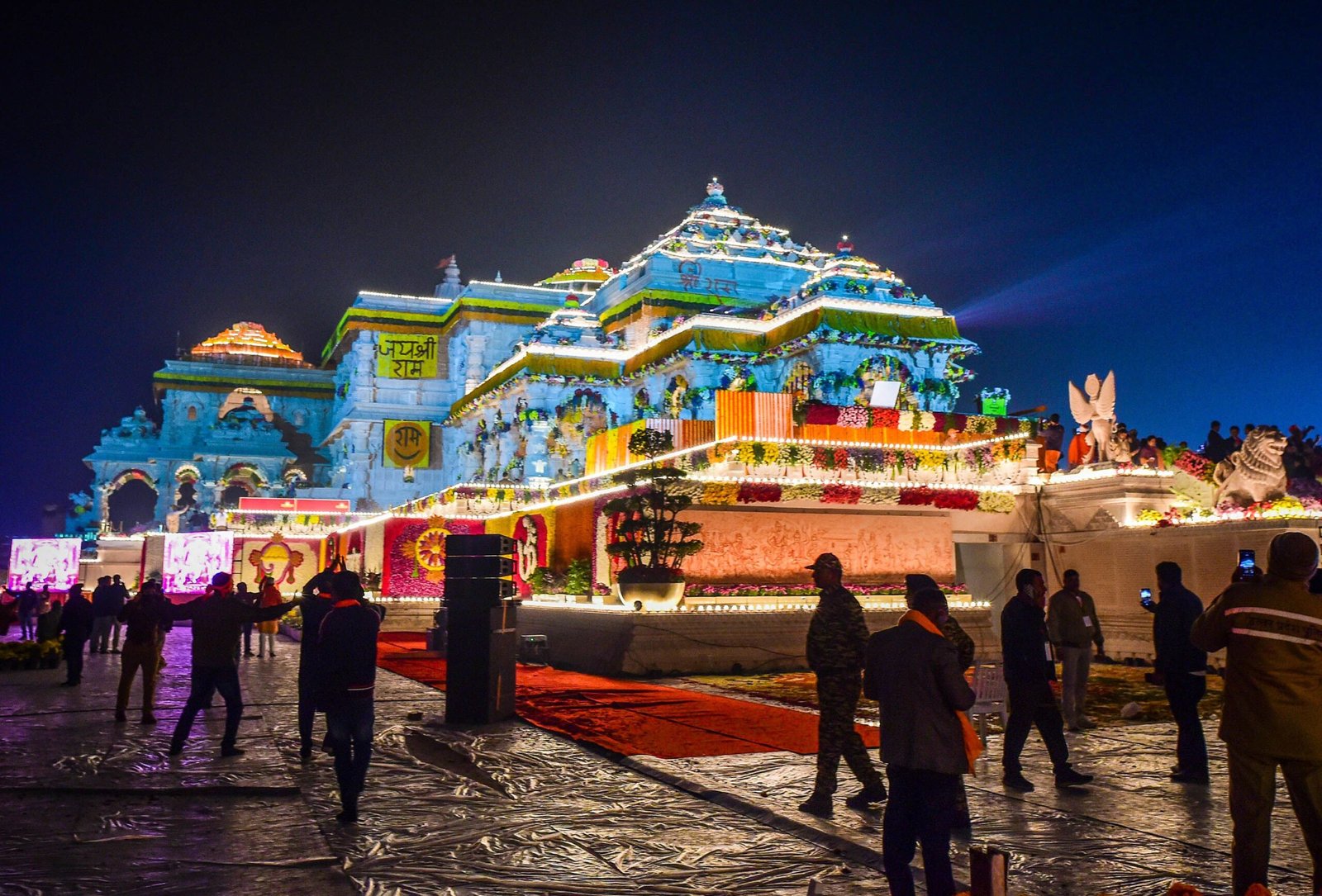
Approximately 200 km away, Ayodhya attracts millions of devotees every year as the birthplace of Lord Rama. Many travellers combine Ayodhya with Varanasi for a 4 to 5-day pilgrimage covering two of India’s most sacred cities.
Plan Your Varanasi Tour
By the time you reach the end of this guide, you’ll realise that Varanasi is a city best experienced with a well-planned itinerary. The temples, ghats, evening Aarti, local markets, nearby destinations, and countless hidden corners all deserve time, and planning them in the right order makes your journey smoother and more enjoyable. A thoughtfully designed itinerary also helps you avoid long queues, unnecessary travel, and the stress of arranging transport or accommodation after you arrive.
At Trip Holidays Planner, we bring together local knowledge and years of experience to help travellers discover Varanasi comfortably. Our team is based in Varanasi, which means we understand the city’s routes, temple timings, festival schedules, and the small details that make a real difference during your trip. From recommending the best time for Kashi Vishwanath darshan to arranging comfortable transport for nearby destinations, we help you make the most of every day.
Whether you’re travelling with family, planning a pilgrimage with senior citizens, visiting with friends, or looking for a customised holiday from Bangalore, Chennai, Hyderabad, Kolkata, Delhi, or any other city, our Varanasi tour packages can be tailored to your travel style and budget. We also offer combined itineraries covering Ayodhya, Prayagraj, Vindhyachal, and other important destinations, allowing you to complete a meaningful spiritual circuit in a single journey.
Our packages include carefully selected hotels, private sightseeing, experienced drivers, local assistance, and flexible itineraries so you can focus on enjoying the experience instead of managing logistics. Every itinerary is designed around your interests, whether you wish to spend more time exploring temples, attending the Ganga Aarti, discovering local food, or extending your trip to nearby cities.
If you’re ready to experience the timeless charm of Kashi, let Trip Holidays Planner help you create a journey that is comfortable, memorable, and personalised. Get in touch with our travel experts today to receive a customised Varanasi tour package designed around your preferred travel dates, group size, and budget.
Book your Varanasi Tour Package today and let us help you experience the spiritual heart of India with confidence and ease.
Visiting for the first time with limited time? Follow our practical 2-day Varanasi itinerary to arrange the temples, ghats, Aarti and sunrise boat ride without rushing. If you are comparing durations or multi-city routes, first compare our Varanasi tour packages, then use our guide to choosing the right Varanasi tour package before booking.