

- 189 Views
- 8 Min Read
- (0) Comment
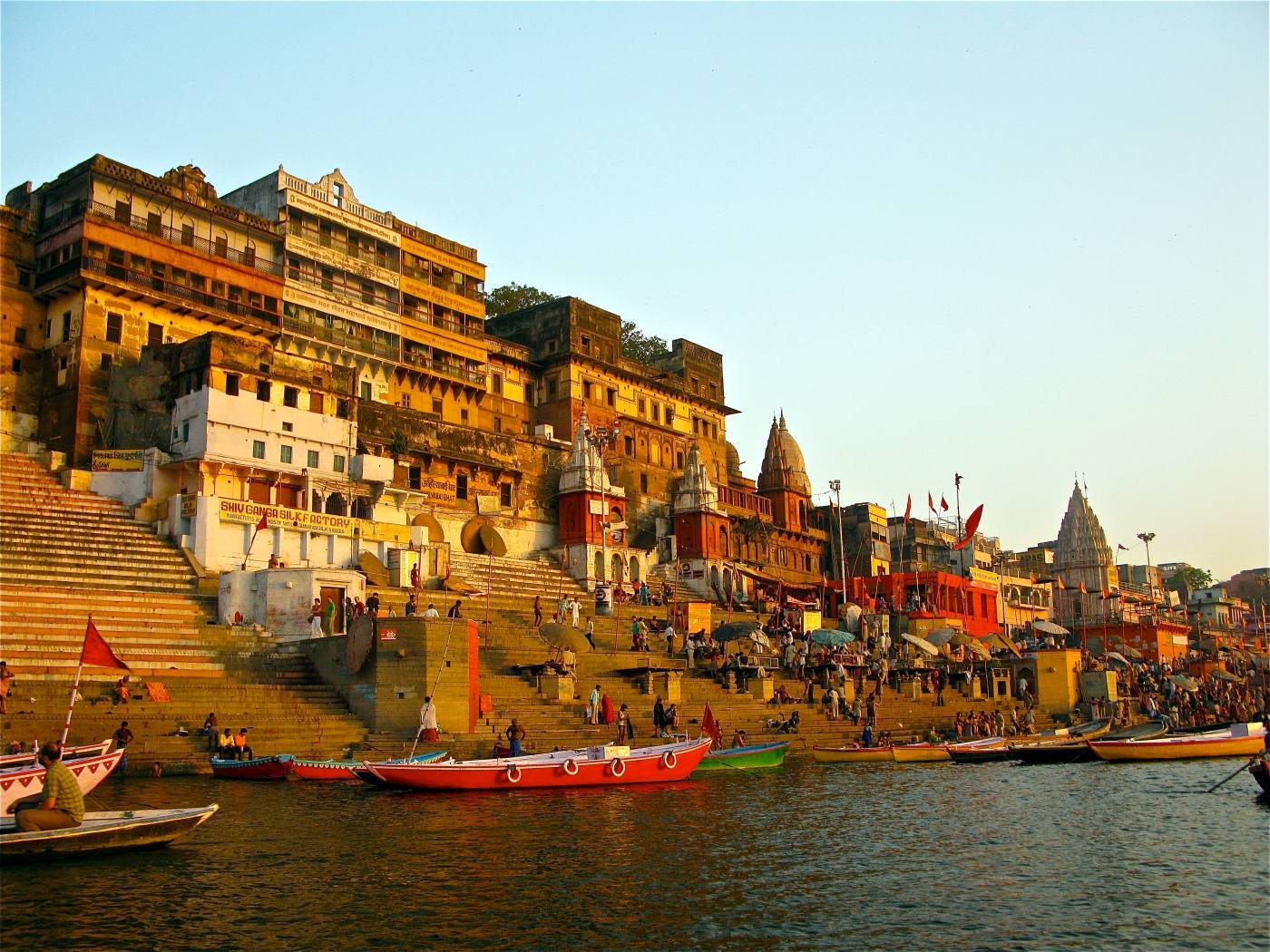
The first few hours of a Varanasi morning can feel different from the afternoon. The ghats are easier to walk, the riverfront is quieter and the old-city lanes move at a slower pace before the day’s traffic builds up. The experience also changes with the season, particularly during periods of heat, rain or festival crowds.
Choosing the best time to visit Varanasi is worth considering before booking your trip. Your ideal dates may depend on whether you want comfortable sightseeing, major festivals, quieter days or early-morning time by the Ganga. This guide breaks down Varanasi by season, festival period and travel style so you can choose dates that suit your plans. If you haven’t finalised the rest of your itinerary yet, our complete Varanasi travel guide covers temples, ghats and a full day-by-day plan alongside this seasonal breakdown.
What Is the Best Time to Visit Varanasi?
For most travellers, October to March is the easiest period for exploring Varanasi. Daytime sightseeing is generally more comfortable, which helps when you are walking through the old city, visiting temples or spending time along the ghats; once your dates are clear, you can compare Varanasi tour packages by route and duration.
The months you choose also depend on what you want from the trip. Winter works well for outdoor sightseeing and early-morning experiences, while festival periods bring a different pace to the city and can also mean larger crowds. If quieter days matter more to you, check the festival calendar before fixing your dates.
- Best overall: October to March
- For festivals: Choose dates around the festival you want to experience
- For fewer crowds: Avoid major festival periods where possible
- For early-morning ghats: Winter mornings are cooler, though fog can sometimes affect visibility
Varanasi in Winter: October to February
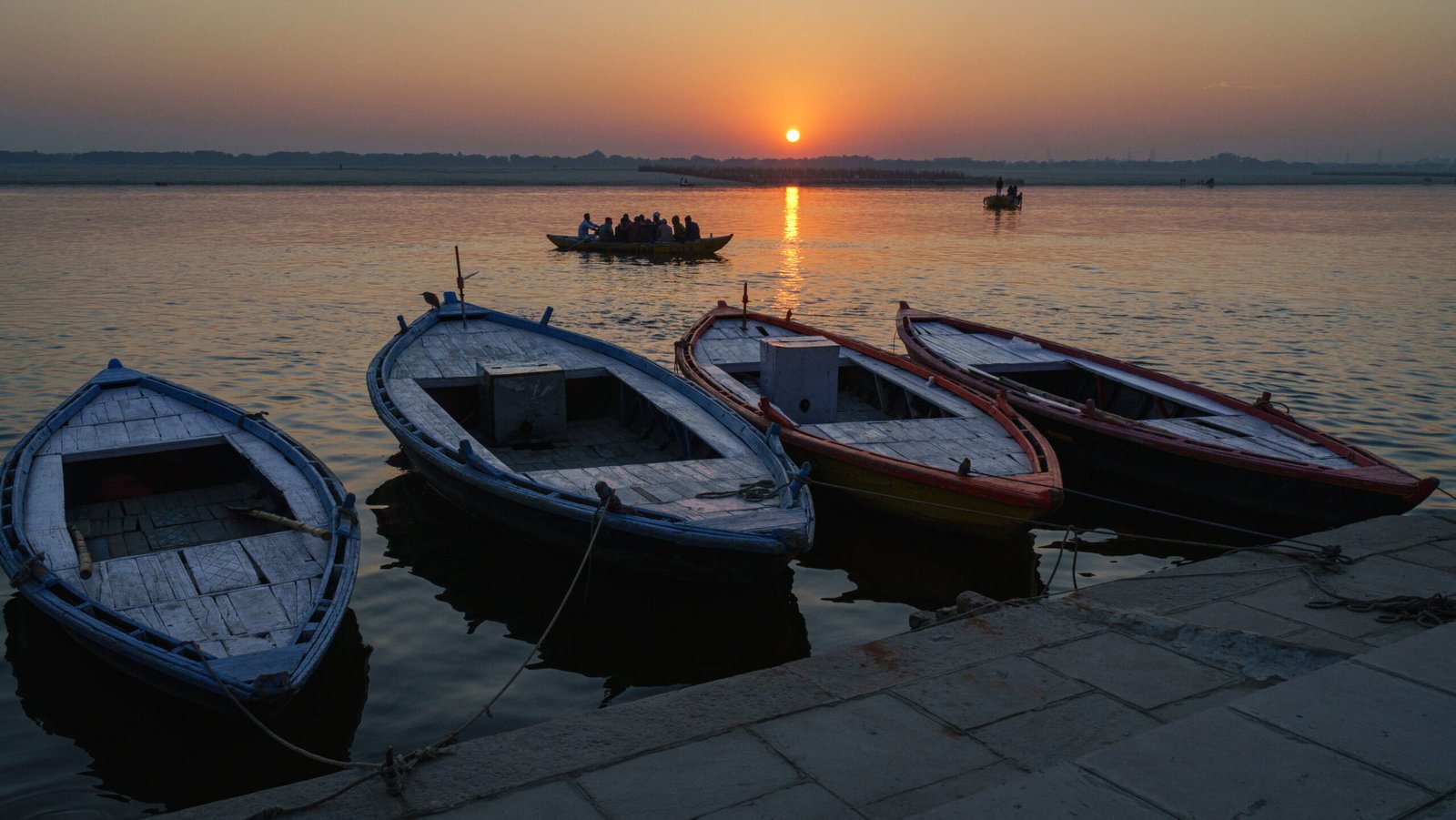
Winter mornings in Varanasi can start slowly. Mist may sit over the Ganga, and the steps along the ghats can feel noticeably cooler before the sun gets higher. Days are generally more comfortable for walking through the old city, visiting temples and spending time along the riverfront — Incredible India’s Varanasi walking guide is a useful reference for exploring the old-city lanes on foot. As November and December arrive, cooler mornings become more noticeable, while January can require an extra layer for early visits. Fog may also affect visibility around the river, so leave some flexibility if your plans include a sunrise boat ride or several outdoor stops.
February remains a comfortable period for sightseeing, although temperatures begin to rise towards the end of the month. Festival dates can also bring more pilgrims and visitors, so accommodation and transport may need earlier planning.
For a first Varanasi trip, winter gives you more room for outdoor sightseeing, especially when your itinerary includes long walks between temples, ghats and the old-city lanes. Our guide to the famous temples in Varanasi and guide to the ghats of Varanasi are both easiest to follow at this time of year, when the weather rarely forces a change of plan.
Varanasi in Summer: March to June
By March, Varanasi starts getting warmer, and the heat becomes more noticeable as April and May progress. Long walks through the old city can feel tiring during the afternoon, especially when your itinerary includes several temples or ghats.
Early mornings and evenings are easier for outdoor plans during these months. You can visit the ghats before the day heats up, return to your hotel during the strongest afternoon hours, and continue sightseeing later. Carry water with you, and keep some time indoors between longer walks.
June can also bring changing weather as the monsoon approaches, so daily conditions may vary. Summer can still work for a Varanasi trip if your schedule is flexible and you are comfortable planning around the heat. For daytime sightseeing, however, it is worth keeping your busiest walking routes for the cooler parts of the day.
Practical tip: Keep temple visits and riverfront walks for early morning or evening whenever possible.
Varanasi During Monsoon: July to September
Rain changes the pace of a Varanasi day. A walk through the old city can take longer when the lanes are wet, and the steps around the ghats may become slippery. Humidity can also make outdoor sightseeing feel more tiring than expected.
The weather can shift quickly, so keep some flexibility in your itinerary. A temple visit can be followed by an indoor break, while longer walks or riverfront plans can be moved around the day’s conditions. For boat rides, check the local situation before setting out rather than planning around a fixed schedule. Monsoon can suit travellers who prefer a slower itinerary and are comfortable adjusting plans around rain. It is also worth carrying footwear that handles wet streets well.
Practical tip: Keep a little buffer between outdoor activities during rainy days, especially if your route involves several ghats or long walks.
Best Time to Visit Varanasi for Festivals
Festival dates can change the experience of Varanasi considerably. The ghats, temples and old-city lanes can become much busier, so these periods work best when the festival itself is an important part of your trip.
- Mahashivratri – An important period for Shiva devotees, with increased activity around temples and heavier crowds.
- Shravan – A significant month for Shiva worship, when pilgrimage activity increases and temple areas can become busy.
- Holi – Celebrations and colour become part of the city’s daily rhythm, giving visitors a different experience of Varanasi.
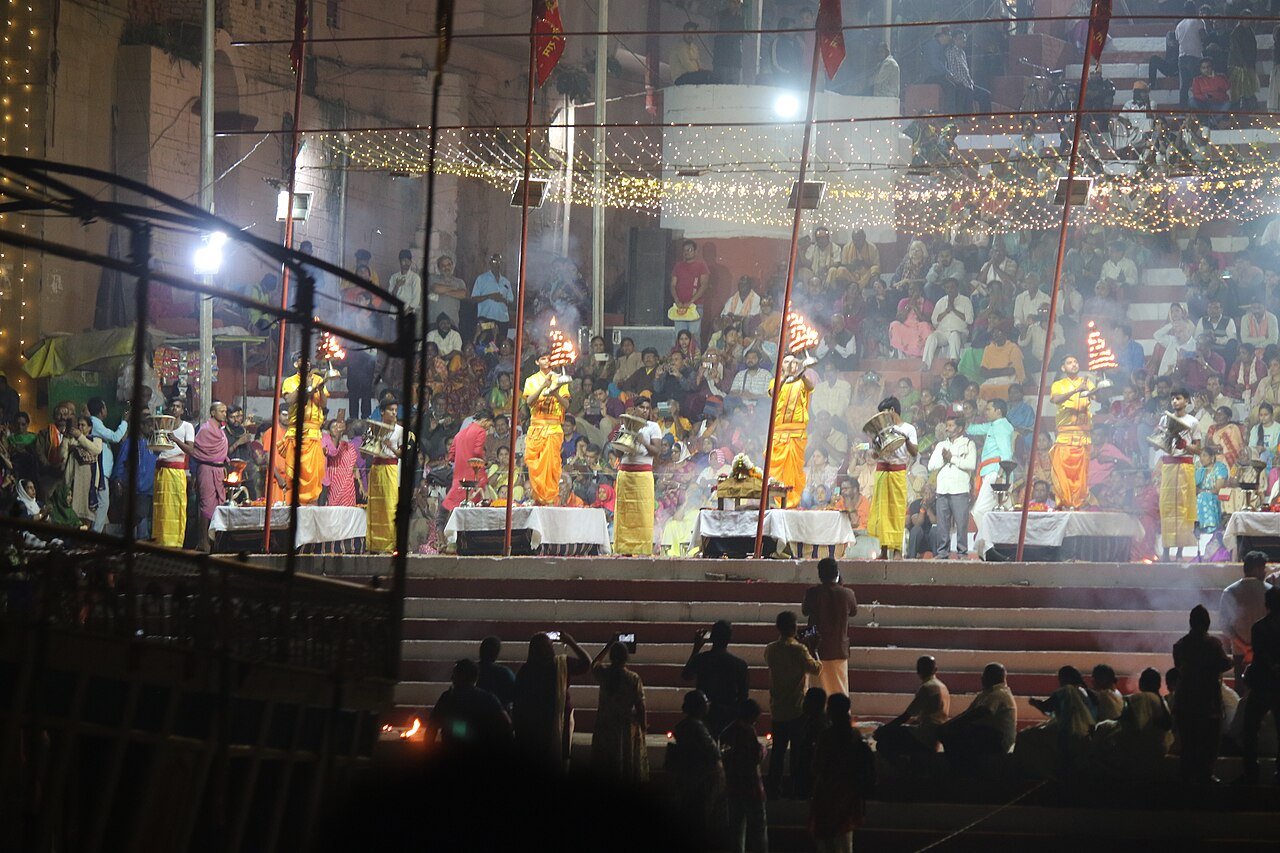
- Dev Deepawali – The ghats become the focus of large-scale celebrations and illumination. Visitor numbers can rise sharply around the celebrations, so booking accommodation and transport early is sensible.
If you’re travelling for a particular festival, check the official date for that year on the UP Tourism website before booking flights, trains or hotels. Festival dates follow the religious calendar and can vary each year. If Dev Deepawali or another festival is the highlight of your trip, our Ayodhya – Prayagraj – Varanasi Spiritual Tour can be timed around the dates that matter to you.
When Should You Visit Varanasi Based on Your Travel Style?
Your ideal dates depend on what you want to do once you arrive.
- For first-time sightseeing: Choose the cooler months if your itinerary involves long walks between temples, ghats and the old-city lanes.
- For festivals: Plan around the festival you want to experience, while keeping extra time for larger crowds.
- For quieter exploration: Choose ordinary weekdays outside major festival dates.
- For photographers: Early morning and late afternoon can offer softer light around the ghats.
- For boat rides: Early morning can work well, subject to the day’s weather and local river conditions.
Varanasi Weather: A Quick Month-by-Month Guide
- October to November: Cooler weather begins, while festival activity increases around the city.
- December to January: Mornings can be cold and foggy, especially around the Ganga. Keep an extra layer for early outings.
- February: Cooler mornings continue, while afternoons gradually become warmer.
- March: Warmer days begin, while Holi can bring increased activity and larger crowds.
- April to June: Hotter conditions make early mornings and evenings more practical for outdoor plans.
- July to September: Monsoon brings rain and humidity. Keep outdoor plans flexible and allow extra time for wet streets and changing weather. Boat rides and the Ganga Aarti are most likely to be affected if the river rises.
For live conditions closer to your travel dates, the India Meteorological Department publishes official weather and climate updates for the region.
Practical Tips for Choosing Your Dates
Check the festival calendar before booking your trip, especially if you want a quieter visit. Accommodation can fill faster around major celebrations, so early booking is useful for those dates.
Keep your daily plans flexible enough to move outdoor activities around the weather. Comfortable walking shoes help throughout the year, while summer calls for lighter clothing and monsoon trips benefit from footwear that handles wet streets. For boat rides, check the day’s weather and local river conditions before setting out. A little planning — including a look at Incredible India’s 10 unmissable travel and food experiences in Varanasi — can save you from rearranging your entire itinerary later — or you can let our team handle it for you; get in touch with our travel experts to plan dates around your preferred season.
FAQs
Which month is best for visiting Varanasi?
October to March is generally a comfortable period for sightseeing, especially if your plans include walking, temples and the ghats.
How many days are enough for Varanasi?
Two to three days is a practical starting point for covering the main temples, ghats, Ganga Aarti and a few local experiences.
Is Varanasi worth visiting in summer?
Yes, but plan outdoor activities for early morning and evening and keep the hottest afternoon hours relatively free.
Which month is Dev Diwali celebrated in Varanasi?
The date changes each year according to the Hindu lunar calendar. Check the official festival date for the year you plan to visit.
Is winter a good time for a boat ride in Varanasi?
Yes. Winter mornings can be pleasant for a boat ride, though fog may affect visibility, so check the day’s conditions before setting out.
Plan Your Varanasi Trip Around the Right Dates
Whatever season you choose, timing your trip well makes the difference between rushing between attractions and actually enjoying Varanasi’s rhythm. At Trip Holidays Planner, our team is based in Varanasi and plans itineraries around the weather, festival calendar and your own travel style, whether that means a quiet winter morning by the ghats or a Dev Deepawali trip built around the biggest celebration of the year.
Browse our Varanasi tour packages to see itineraries built around temples, ghats, the Ganga Aarti and nearby destinations, or contact our travel experts for a plan customised to your preferred dates and travel style.
Once you have chosen your travel dates, use this 2-day Varanasi itinerary to organise the city’s essential experiences.