

- 252 Views
- 11 Min Read
- (0) Comment
Why Finding the Right Temples in Varanasi Is Harder Than It Looks
At six in the morning, the tea stalls near Godowlia are already full of pilgrims discussing the same question: should they visit Kashi Vishwanath first or head straight to the ghats? By the time they finish breakfast, someone has already suggested three more temples.
A small shrine appears between two sweet shops. Someone points towards Kal Bhairav Temple from a lane that looks too narrow for even a motorcycle. Ten minutes later, another local insists that Annapurna Temple should come before everything else. By breakfast, the list has already changed. That’s the confusing part about searching for the famous temples in Varanasi. The city has thousands of shrines, but first-time visitors usually have only a day or two. Choosing where to go becomes difficult because every temple has its own devotees, stories and traditions.
Some temples sit inside the old city, surrounded by crowded markets and security barricades. Others stand near Banaras Hindu University, where the roads are wider and the atmosphere feels calmer. Trying to cover everything in one day often turns into a race against traffic, so travellers who prefer organised transfers and temple sequencing can compare our Varanasi pilgrimage tour packages.
Why Is Varanasi Called the City of Temples?
Ask a shopkeeper near Dashashwamedh Ghat for directions, and there’s a good chance the answer will involve a temple. “Turn left after the Hanuman temple” or “walk straight until you see the Shiva shrine.” In Varanasi, temples are woven into everyday conversations in a way that surprises most first-time visitors.
The old city doesn’t have one religious centre. It has hundreds. Tiny shrines occupy street corners, family-run temples sit behind centuries-old wooden doors, and larger complexes draw pilgrims from across the country. You can walk for twenty minutes between Godowlia and Manikarnika and pass more temples than you can count.
Walk from Dashashwamedh to Manikarnika without looking at Google Maps and you’ll still know you’re in a temple city. Bells ring from different directions, incense smoke escapes from tiny shrines and every second shopkeeper seems to know the quickest route to a temple. For centuries, kings, saints, traders, and ordinary devotees built places of worship dedicated to Shiva, Hanuman, Durga, Vishnu, and countless other deities. Some of the most famous temples in Varanasi attract lakhs of visitors every year as per the data, while others remain part of the daily lives of the people who live nearby.
The Old-City Temple Circuit: Kashi Vishwanath, Annapurna and Kal Bhairav
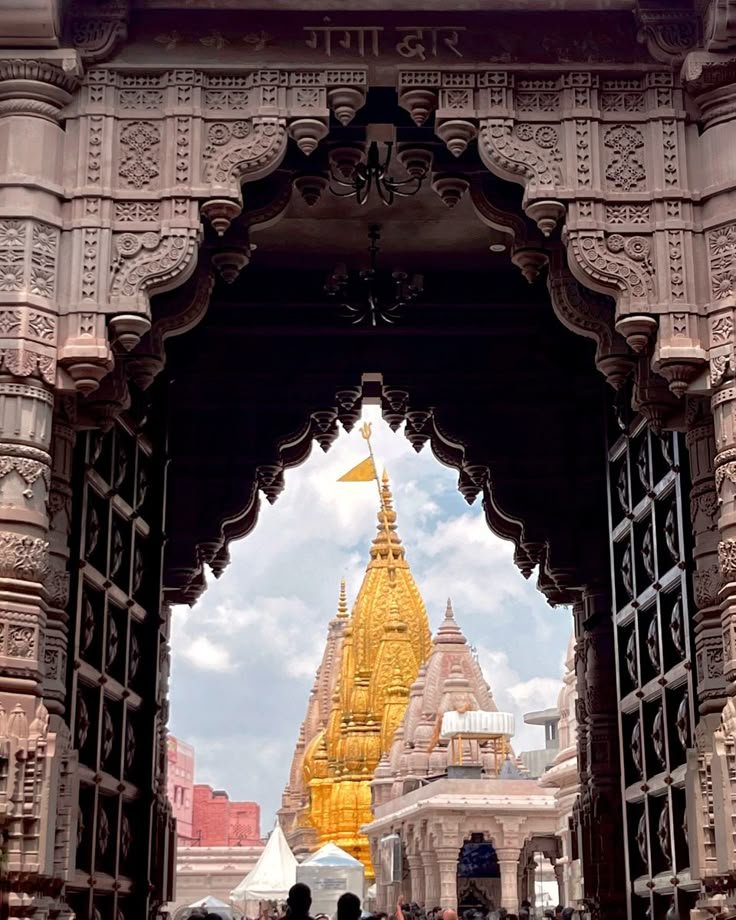
People searching for the best temples in Varanasi eventually find themselves in the same neighbourhood. The area between Godowlia, Vishwanath Gali and Maidagin holds three of the city’s most important temples, and if you’re visiting Varanasi for the first time, this is where your temple tour should begin.
By 5:30 AM, Vishwanath Gali is already difficult to cross. Shopkeepers are pulling up shutters, flower sellers are arranging marigolds on plastic sheets and pilgrims keep stopping every few minutes to confirm whether they’re walking towards Gate 1 or Gate 4.The lane itself is narrower than many visitors expect. Add security barricades, local shoppers and delivery carts, and even a short walk can take longer than planned.
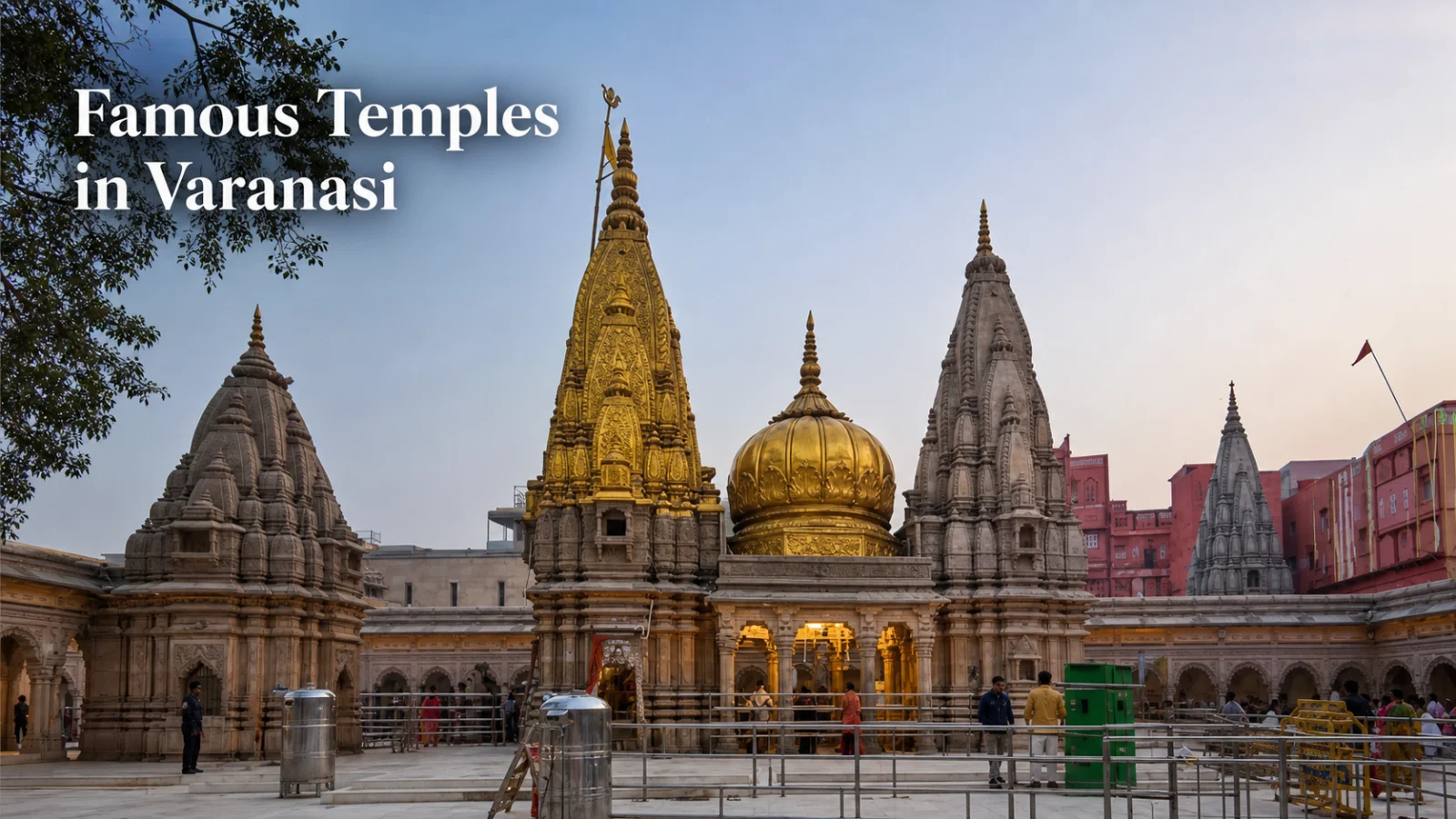
Kashi Vishwanath Temple is the spiritual centre of the city and one of the most famous temples in Varanasi. Dedicated to Lord Shiva, it is among the twelve Jyotirlingas and receives devotees from every corner of the country. For many families, visiting Kashi means visiting Vishwanath first. The newly developed corridor has made access easier, especially for elderly travellers, but the area around Gate 4 and Godowlia remains crowded throughout the day. Our complete Kashi Vishwanath Temple guide covers exact timings, Mangala Aarti booking and darshan tips in more detail.
A few minutes away stands Annapurna Temple, one of the must-visit temples in Varanasi. The noise drops almost immediately after entering Annapurna Temple. Around breakfast time, the streets outside fill with people eating kachori-sabzi and jalebi before heading towards the ghats.
The third stop is Kal Bhairav Temple, one of the ancient temples in Varanasi and a place that locals consider essential to any Varanasi temple tour. Lord Kal Bhairav is regarded as the guardian of Kashi, shopkeepers and priests will often tell you that a pilgrimage remains incomplete without visiting him.
The road leading to the temple feels different from Vishwanath Gali. Shops selling black threads, rudraksha malas and small brass idols line the street, while pilgrims ask for directions every few minutes. It can be chaotic, especially on Mondays and during festivals, but that confusion is part of the old city’s rhythm. If you are planning to cover the top temples in Varanasi in a single day, keep these three temples together. They are close to one another and form the heart of the city’s spiritual landscape.
Sankat Mochan Temple: A Different Side of Varanasi
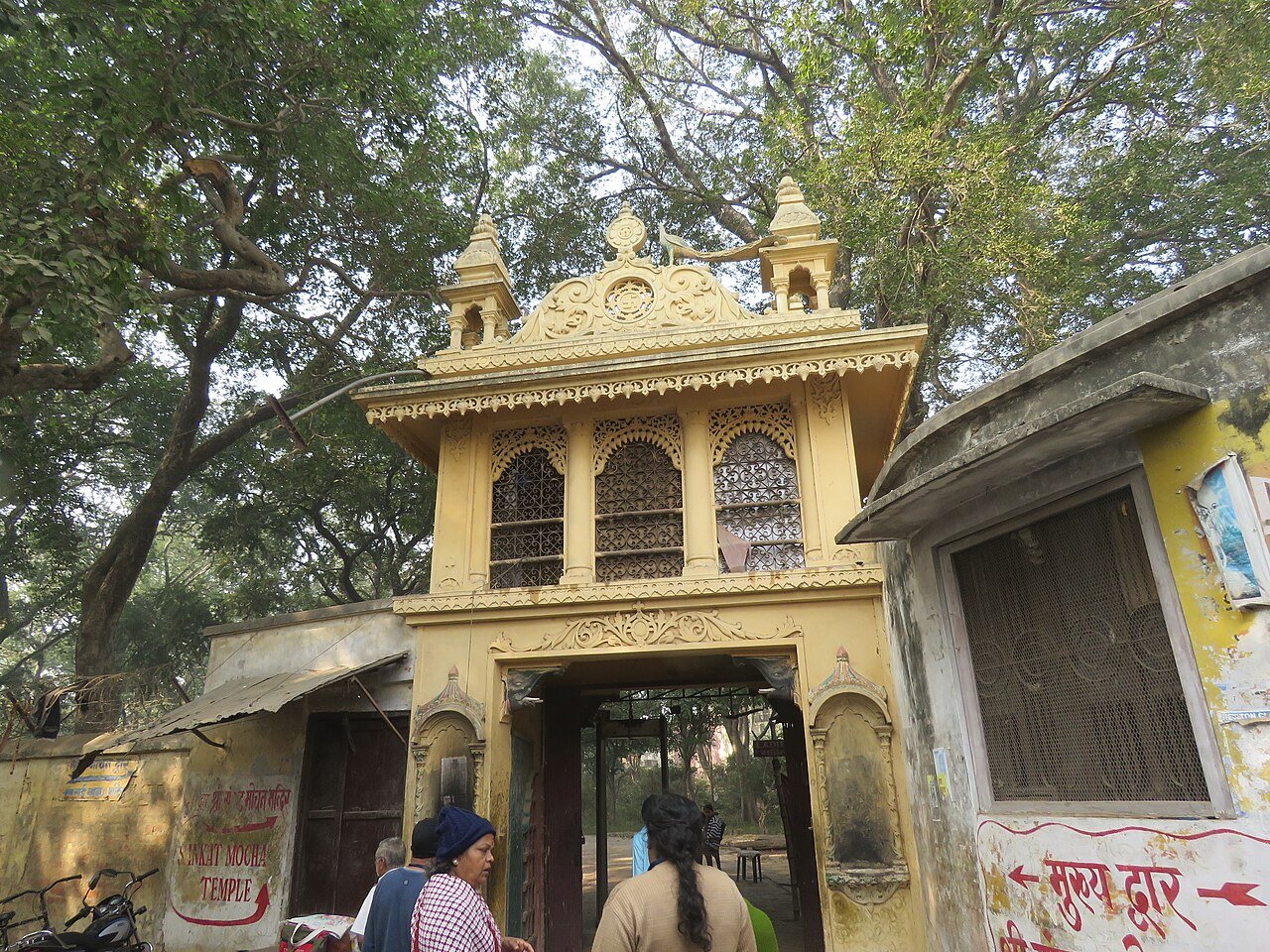
Dedicated to Lord Hanuman, Sankat Mochan is one of the most visited temples in Varanasi, especially on Tuesdays and Saturdays. By late afternoon, long queues start forming outside the entrance. Students carrying backpacks stand beside families with boxes of sweets, while local vendors call out to devotees passing by.
Unlike Kashi Vishwanath, the temple complex feels open and less intimidating. People sit quietly in the courtyard, some reading the Hanuman Chalisa, others simply resting in the shade before continuing their journey. Around the entrance, monkeys move from tree to tree, occasionally snatching food from distracted visitors. Local shopkeepers warn newcomers about this almost as soon as they arrive.
The best time to visit is early morning or in the afternoon, when the crowd is manageable. Most travellers combine Sankat Mochan with Durga Temple, Tulsi Manas Temple and the New Vishwanath Temple, making this part of the city an important stop on any list of temples to visit in Varanasi.
Durga Temple, Tulsi Manas Temple and New Vishwanath Temple
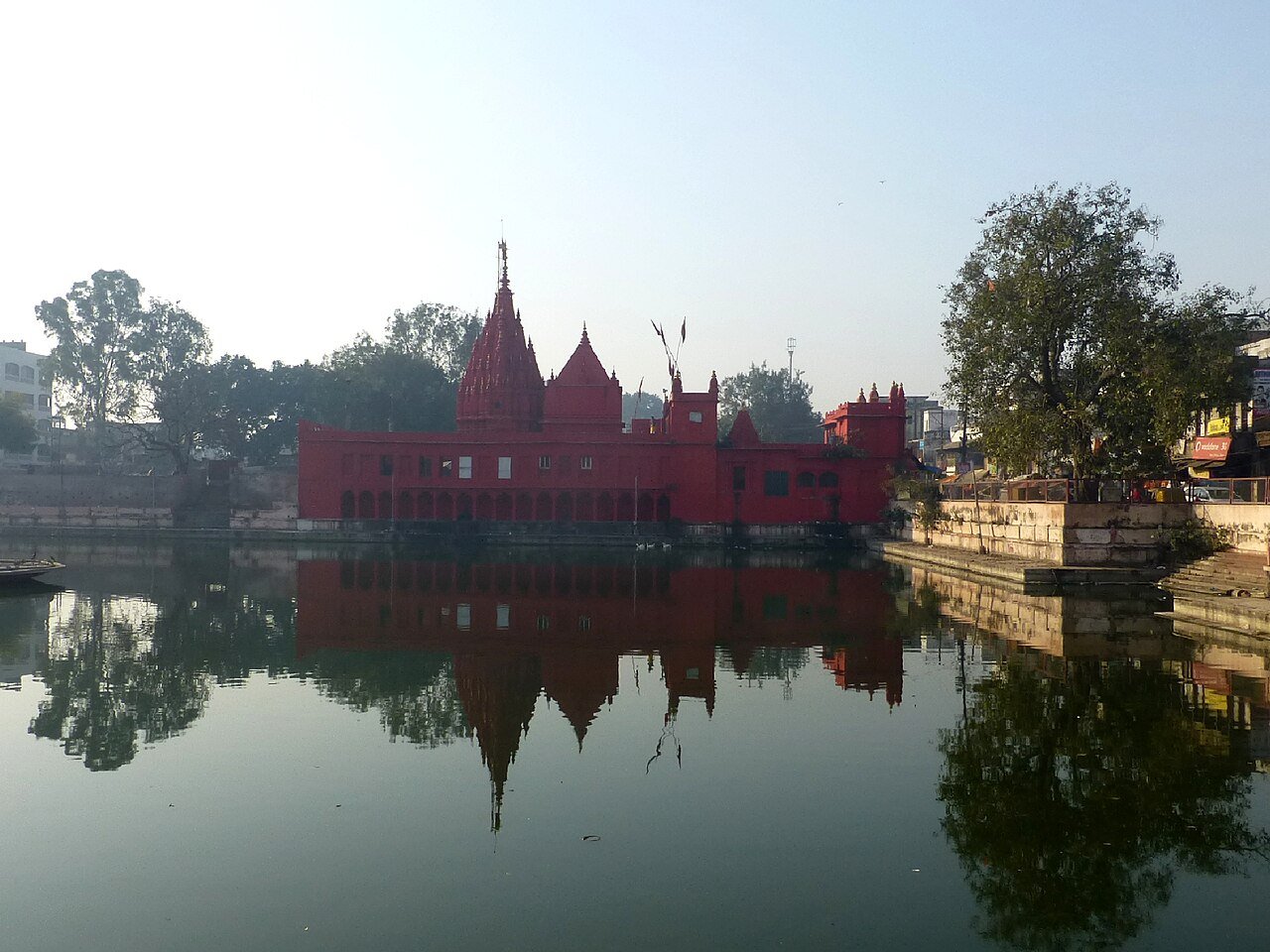
The difference becomes obvious as soon as you cross Lanka and enter the area around BHU, where the city suddenly changes character. The roads are broader, there are fewer pilgrims rushing from one temple to another, and tea stalls are filled with students discussing classes instead of tourists checking maps. You’ll probably hear someone mention the monkeys before you even reach Durga Temple.The temple’s red exterior stands out from a distance, especially during Navratri, when the entire area around Durga Kund becomes crowded with devotees.
A short drive away is Tulsi Manas Temple. The atmosphere here feels very different. There are no narrow lanes or loud shopkeepers outside the entrance. Visitors move at their own pace, reading the verses from the Ramcharitmanas engraved on the marble walls.
The final temple in this circuit is the New Vishwanath Temple inside Banaras Hindu University. Built from white marble, it attracts a mix of pilgrims, professors, students and families. Unlike the old city’s temples, there are no security barricades or long queues here. In the evening, you’ll often find students sitting on the temple steps, chatting with friends or preparing for exams.
Sarnath: A Quieter Side of Varanasi
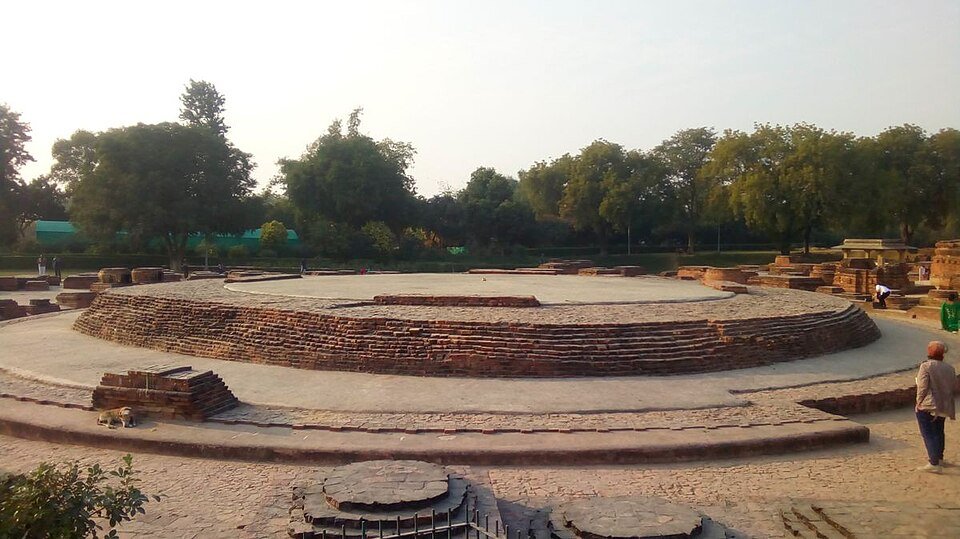
The auto ride from Godowlia to Sarnath usually takes forty to fifty minutes, although traffic near Cantt railway station can easily make the journey longer. The change becomes noticeable after leaving the crowded lanes of the old city behind.
Sarnath holds immense importance in Buddhism because this is where Gautama Buddha delivered his first sermon after attaining enlightenment. Early in the morning, groups of monks from Thailand, Sri Lanka and Japan can often be seen walking towards the monasteries, while guides gather visitors near the Dhamek Stupa to explain the history of the site. Outside the entrance, tea stalls and small souvenir shops slowly open for the day, and taxi drivers wait for passengers returning to Varanasi.
The Mulagandha Kuti Vihara is one of the most visited spiritual sites in Sarnath. Unlike the narrow temple lanes near Kashi Vishwanath, nobody seems to be in a hurry here. By late morning, school groups and families begin to fill the complex, making the hours between seven and nine in the morning the most peaceful time to explore the area. It is generally open from 6:00 AM to 12:00 PM and again from 1:30 PM to 6:00 PM, although timings may vary on festivals and special occasions. If you’re already visiting Sankat Mochan Temple and Banaras Hindu University, adding Sarnath to the itinerary usually takes half a day.
How to Plan a One-Day Temple Tour in Varanasi
Google Maps makes the temples look close to one another, but distances in Varanasi can be misleading. A route that looks like twenty minutes on your phone can easily take an hour once you add traffic, security checks and the walk through the old city.
A better approach is to divide the temples into two parts. Start your morning in the old city with Kashi Vishwanath Temple, Annapurna Temple and Kal Bhairav Temple. If you leave your hotel before sunrise, you can comfortably finish this circuit before the streets become too crowded. By nine in the morning, the small eateries in Vishwanath Gali are filled with people eating kachori-sabzi and planning the rest of their day. The second half of the day can be dedicated to Sankat Mochan Temple, Durga Temple, Tulsi Manas Temple and the New Vishwanath Temple. Since these temples are located close to BHU, travelling between them is much easier.
By evening, most people head towards Dashashwamedh Ghat for the Ganga Aarti. After spending an entire day visiting some of the best temples in Varanasi, ending the journey by the river feels like the natural way to experience the city. For a closer look at Dashashwamedh and the other ghats along the river, see our guide to the ghats of Varanasi. For Sarnath which is 20km away from the city, you would need 2-4 hrs to explore museum along with the temples.
Temple Timings and Local Tips
Most temples in Varanasi open between 4 AM and 5 AM, although the timings for aarti and special rituals change during festivals and the month of Shravan. Early mornings are usually the best time for darshan because the weather is pleasant and the crowds are smaller.
Keep your phone, camera and unnecessary belongings in your hotel if you plan to visit Kashi Vishwanath Temple, as security checks are strict. Comfortable footwear is essential because a large part of the old city can only be explored on foot. If you’re travelling during weekends or festivals, expect delays around Godowlia and Maidagin.
One final tip: The best method is to split the temples into two sections. Begin your morning in the old city at the Kashi Vishwanath Temple, the Annapurna Temple and the Kal Bhairav Temple. If you leave the hotel before sunrise, you will be able to complete this route before the streets get too crowded.
Frequently Asked Questions About the Best Temples in Varanasi
Which is the most famous temple in Varanasi?
Kashi Vishwanath Temple is the most famous temple in Varanasi. Dedicated to Lord Shiva, it is one of the twelve Jyotirlingas and attracts devotees from across India throughout the year.
Which are the top temples in Varanasi for first-time visitors?
If you’re visiting the city for the first time, start with Kashi Vishwanath Temple, Annapurna Temple, Kal Bhairav Temple, Sankat Mochan Temple, Durga Temple, Tulsi Manas Temple and the New Vishwanath Temple.
How many temples can you cover in one day?
Most travellers can comfortably visit six to seven temples in a day if they divide their itinerary into the old-city circuit and the Banaras Hindu University circuit.
What is the best time to visit temples in Varanasi?
The best time for temple visits is between October and March. For darshan, the early morning hours between 5 AM and 8 AM are usually less crowded.
For a full seasonal breakdown, see our guide to the best time to visit Varanasi.
Is one day enough for a Varanasi temple tour?
Yes, one day is enough to cover the major temples in Varanasi. However, if you want to explore the ghats, attend the Ganga Aarti and experience the city at a slower pace, a two or three-day trip is a better option.
Explore Varanasi with Trip Holidays Planner
A temple tour in Varanasi rarely goes exactly as planned. A lane gets blocked, traffic builds up near Godowlia, or you end up spending more time at one temple than expected. That’s part of the experience. Having a well-planned itinerary simply gives you the freedom to enjoy the city without worrying about transport, routes and timings.
Families travelling from Bangalore, Chennai and Hyderabad often combine Kashi Vishwanath, Sankat Mochan and the evening Ganga Aarti in a two-day itinerary, while some pilgrims continue towards Ayodhya and Prayagraj. Planning the route in advance makes the trip much smoother, especially during festivals and long weekends.
To fit the main temple circuit into a short stay, use our 2-day Varanasi itinerary for first-time visitors.
Need a darshan-focused journey? Browse Kashi and Varanasi pilgrimage packages that combine important temples, the ghats, Ganga Aarti and nearby sacred destinations.