

By, Arvind Singh
- 42 Views
- 5 Min Read
- (3) Comments
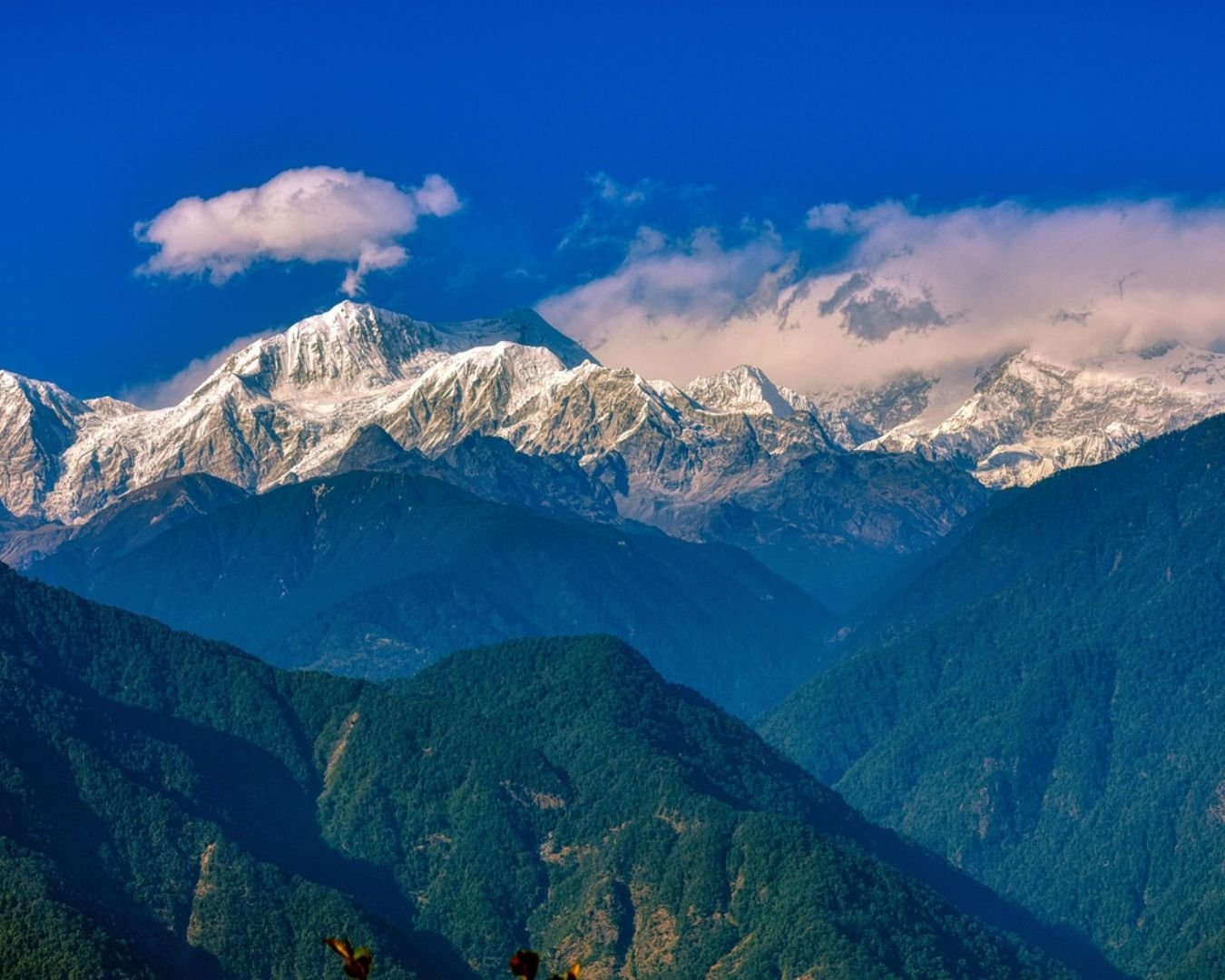
Sikkim is one of India’s most serene and visually captivating destinations, offering a rare blend of untouched Himalayan landscapes, ancient monasteries, vibrant cultural traditions, and a deeply spiritual atmosphere. Nestled in the Eastern Himalayas, this small yet culturally rich state invites travelers to slow down, reconnect with nature, and experience life beyond commercial tourism.
Unlike crowded hill stations, Sikkim follows a disciplined and eco-conscious way of living. Clean streets, regulated tourism, and respect for nature define everyday life here. From snow-capped mountains and sacred lakes to peaceful monasteries and charming villages, Sikkim offers a journey that feels both refreshing and meaningful.
This complete Sikkim Travel Guide by Trip Holidays Planner is designed to help you plan a smooth and memorable journey. It covers top attractions, cultural experiences, hidden gems, local cuisine, best travel seasons, transport options, and essential travel tips.
Table of Contents
ToggleSikkim: A Spiritual, Cultural and Natural Heartland
Sikkim’s identity is deeply rooted in Buddhist philosophy, Himalayan traditions, and harmony with nature. Buddhism plays a central role in shaping Sikkim’s cultural and spiritual life. Monasteries act as centers of worship, meditation, art, and community gatherings. Nature is revered as sacred in Sikkim. Mountains, rivers, forests, and lakes are protected by both law and belief systems passed through generations, making Sikkim tourism deeply enriching.Key Highlights of Sikkim Tourism
- Ancient Buddhist monasteries and meditation centers
- Snow-capped Himalayan peaks and alpine valleys
- Sacred lakes and high-altitude mountain passes
- Culture influenced by Tibetan, Lepcha, and Nepali traditions
- Eco-friendly tourism and sustainable travel practices
Top Attractions to Visit in Sikkim
Gangtok
Gangtok, the capital city of Sikkim, is the starting point for most travelers. It offers panoramic Himalayan views, modern comforts, and traditional charm. Major attractions include MG Marg, Rumtek Monastery, Enchey Monastery, Ganesh Tok, and Hanuman Tok.Tsomgo Lake
Tsomgo Lake, also known as Changu Lake, is a high-altitude glacial lake located at around 12,400 feet. Surrounded by snow-covered mountains, it holds spiritual significance for local communities. Entry permits are required and arranged by Trip Holidays Planner.Baba Harbhajan Singh Mandir
This revered shrine is dedicated to an Indian Army soldier and symbolizes faith, devotion, and patriotism. It is an important stop while traveling toward Nathula Pass.Yumthang Valley
Known as the Valley of Flowers, Yumthang Valley is famous for alpine meadows, seasonal blooms, rivers, and snow-covered landscapes. Nearby hot springs enhance the experience.Lachung
Lachung is a picturesque mountain village known for its peaceful atmosphere, traditional houses, monasteries, and authentic Himalayan lifestyle.Understanding Sikkim’s Spiritual Framework
Sikkim’s spiritual life revolves around Buddhism, meditation, discipline, and harmony with nature. Monasteries preserve ancient rituals, sacred scriptures, and artistic traditions passed down through generations.Cultural and Spiritual Highlights of Sikkim
Monastic Festivals
Festivals such as Losar, Saga Dawa, and Pang Lhabsol are celebrated with masked dances, prayers, and traditional music.Local Traditions
Sikkim’s culture is shaped by Lepcha, Bhutia, and Nepali communities, emphasizing respect for elders, nature, and spiritual institutions.Hidden Gems of Sikkim
- Namchi – Spiritual landmarks and panoramic views
- Ravangla – Peaceful monasteries and mountain scenery
- Yuksom – Heritage trails and historical significance
- Singhik View Point – Breathtaking sunrise views
Local Experiences in Sikkim
- Village homestay experiences
- Local market visits
- Monastery meditation sessions
- Nature walks and short hikes
Sikkim Cuisine: A Complete Food Experience
Must-Try Dishes
- Momos
- Thukpa
- Phagshapa
- Gundruk
- Traditional butter tea
Shopping in Sikkim
- MG Marg – Souvenirs and handicrafts
- Lal Bazaar – Local products and spices
- Gangtok Handicraft Center – Carpets and artifacts
Best Time to Visit Sikkim
- March to June – Pleasant weather and sightseeing
- July to September – Lush greenery and fewer crowds
- October to December – Clear skies and mountain views
How to Reach Sikkim
By Air
Bagdogra Airport is the nearest major airport.By Train
New Jalpaiguri Railway Station offers excellent connectivity.By Road
Sikkim is well connected by road from Siliguri, Darjeeling, and Kalimpong.Sikkim Travel Packages by Trip Holidays Planner
- Gangtok sightseeing tours
- Gangtok Lachung Yumthang Valley tours
- Family and honeymoon packages
- Customized itineraries
Why Choose Trip Holidays Planner
- Customized travel plans
- Verified hotels and trusted local partners
- Transparent pricing
- Safe and comfortable travel arrangements
Travel Tips for Sikkim
- Carry warm clothing for higher altitudes
- Respect local customs and monasteries
- Follow permit regulations
- Acclimatize properly
Frequently Asked Questions About Sikkim Travel
How many days are ideal for a Sikkim trip? Five to seven days are ideal. Is Sikkim safe for tourists? Yes, Sikkim is one of the safest destinations in India. Do I need permits? Some areas require permits arranged by Trip Holidays Planner.Conclusion: Plan Your Sikkim Journey with Trip Holidays Planner
This Sikkim Travel Guide captures the true essence of Sikkim tourism—from spiritual monasteries and alpine valleys to vibrant culture and peaceful landscapes. Trip Holidays Planner ensures your Sikkim journey is smooth, comfortable, and deeply memorable, helping you experience the true charm of the Eastern Himalayas with complete peace of mind.Frequently Asked Questions About Sikkim Travel
Five to seven days are ideal to explore major destinations comfortably.
Yes, Sikkim is one of the safest destinations in India.
Some areas require permits, which are arranged by Trip Holidays Planner.
Aptent taciti sociosqu ad litora torquent per conubia nostra, per inci only Integer purus onthis felis non aliquam.Mauris nec just vitae ann auctor tol euismod sit amet non ipsul growing this
Leave a comment: Cancel reply
Recent Posts
- Mathura Vrindavan Holi Travel Guide: Experience the Divine Festival of Colors in Krishna’s Land
- Ujjain Travel Guide: Discover the Sacred City of Mahakal, Temples, Ghats and Timeless Spiritual Heritage
- Char Dham Yatra – Kedarnath, Badrinath, Gangotri and Yamunotri: A Complete Spiritual Journey
- Sikkim Travel Guide – Explore the Land of Himalayas, Monasteries, and Natural Beauty
- Explore Delhi: Heritage, History and Culture Travel Guide
Comments (3)
tongitsgo Player,
03 March, 2026tongitsgo is so addicting, I can never stop playing! The game is fun and very engaging. Try it to believe it!
phi777,
03 March, 2026Alright, let’s talk phi777. I’ve been giving it a whirl, and honestly, it’s not bad at all. The games are pretty slick, and I haven’t had any crazy issues yet. Could always be better, but hey, what isn’t? Check them out here: phi777
gb88slot,
03 March, 2026Yo, gb88slot! Heard some buzz about this one. Gave it a shot, and yeah, the slots are decent. Nothing revolutionary, but a solid place to kill some time and maybe win a little something. Give them a try gb88slot.